

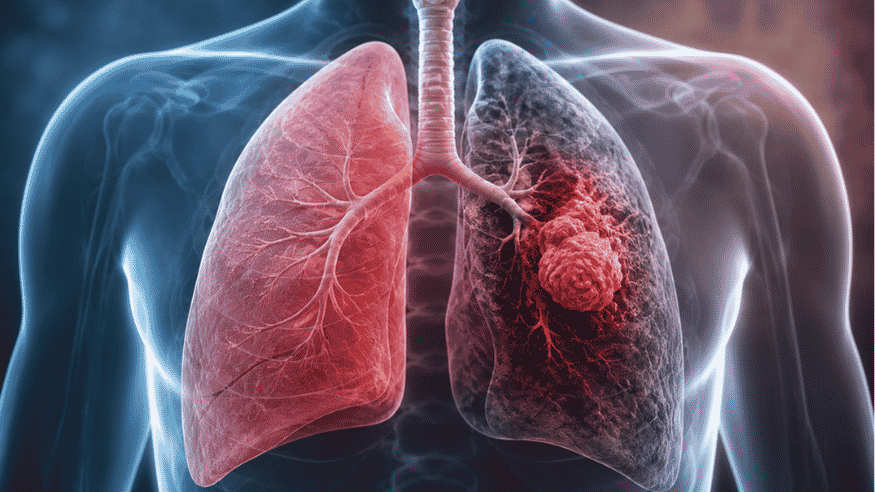
Lung cancer remains one of the most significant health challenges worldwide, often carrying a heavy stigma due to its strong historical association with tobacco use. However, understanding the nuances of the disease is vital for every individual, regardless of their lifestyle choices. Because the lungs are deep within the chest, early indicators of malignancy are frequently missed or mistaken for common respiratory issues like persistent colds or seasonal allergies. Recognizing the subtle shifts in your health is the first step toward proactive care and better long-term outcomes.
Awareness serves as a powerful tool in the fight against this disease. While many people associate the condition purely with heavy tobacco use, the reality is far more complex and involves a variety of environmental and genetic factors. By educating yourself on what to watch for, you can move away from fear and toward informed decision-making. This guide aims to clarify the differences in how the disease presents itself across different populations and provide clarity on when it is time to seek professional medical guidance.
What is Lung Cancer?
At its core, lung cancer begins when cells in the lung tissue begin to grow and divide in an uncontrolled, abnormal manner. Unlike healthy cells that have a natural life cycle, these malignant cells form tumors that can interfere with the essential function of gas exchange—the process by which your body takes in oxygen and releases carbon dioxide. Over time, if left unchecked, these cells can spread to other parts of the body, a process medically known as metastasis.
There are two primary types of lung cancer that physicians categorize based on the appearance of the cells under a microscope: non-small cell lung cancer (NSCLC) and small cell lung cancer (SCLC). NSCLC is the most common form, typically growing and spreading more slowly than its counterpart. Small cell lung cancer is more aggressive and tends to grow rapidly, often requiring a different therapeutic approach. Understanding your specific diagnosis is the foundation upon which your medical team builds a personalized plan to fight the illness.
Can Non-Smokers Get Lung Cancer?
One of the most persistent myths in modern medicine is the idea that lung cancer is exclusively a smoker’s disease. In reality, a significant number of patients diagnosed with lung cancer have never touched a cigarette in their lives. While tobacco use is undoubtedly the leading cause, it is not the only one. Environmental exposures play a massive role in the development of the disease among individuals who lead otherwise healthy lifestyles.
The most common hidden culprit is radon gas, a naturally occurring radioactive gas that can accumulate in homes and buildings. Secondhand smoke is another major risk factor, as breathing in the toxins produced by others can damage lung tissue over time. Additionally, prolonged exposure to industrial carcinogens like asbestos, arsenic, or air pollution can increase the risk. Genetics also play a part, as some individuals carry hereditary mutations that make their lung tissue more susceptible to malignant changes, proving that this disease can affect anyone regardless of their personal history.
Lung Cancer Symptoms in Smokers
For individuals who smoke, lung cancer symptoms often develop over a long period. Because smokers may already suffer from a “smoker’s cough” or chronic bronchitis, they frequently overlook new or worsening changes in their respiratory health. A cough that was once occasional may become chronic or change in intensity, eventually producing thick, discolored, or blood-streaked mucus. This change in baseline health is often the first, albeit ignored, warning sign.
Chest pain is another frequent indicator, often described as a dull ache or a sharp, stabbing sensation that worsens when breathing deeply, coughing, or laughing. Because the lungs lack pain receptors, this sensation often occurs when a tumor begins to press against the chest wall or nearby structures. Shortness of breath, even during routine activities like walking up a flight of stairs, occurs as the tumor grows and reduces the functional capacity of the lung. Smokers should be particularly vigilant if they experience frequent bouts of pneumonia or bronchitis that do not seem to respond well to standard antibiotics.
Lung Cancer Symptoms in Non-Smokers
When non-smokers develop lung cancer, the symptoms can be surprisingly similar to those seen in smokers, yet they often appear in individuals who have no history of chronic respiratory issues. Because they do not expect to have lung trouble, these patients often dismiss early signs like a persistent cough as “just a lingering cold” or seasonal allergies. A dry, hacking cough that lasts for more than a few weeks without an obvious cause should always be evaluated, especially if it does not subside with rest or over-the-counter remedies.
Non-smokers may also experience systemic symptoms, such as unexplained fatigue or loss of appetite, which can be easily attributed to stress or burnout. Hoarseness that lasts for several weeks can occur if a tumor affects the nerves that control the vocal cords. Unexplained weight loss is also a classic sign, as the body uses significant energy to fight the malignancy. Because these patients lack the “smoker’s cough” as a baseline, any deviation in their breathing patterns or persistent respiratory discomfort should be treated as a signal to seek medical advice rather than waiting for it to resolve on its own.
Common Warning Signs You Should Never Ignore
While symptoms vary, certain signs of lung cancer are universal indicators that the lungs require professional attention. Chronic chest pain is among the most concerning, as is the presence of hemoptysis, or coughing up even a small amount of blood. Even if the bleeding is minor or occurs only once, it is never considered a normal event and warrants an immediate diagnostic evaluation.
Other subtle signs include persistent hoarseness or a change in the tone of your voice, which can indicate that a mass is pressing against the laryngeal nerves. You might also notice unexplained swelling in the neck or face, which can occur if a tumor obstructs the superior vena cava, a major vein that carries blood from the upper body to the heart. Furthermore, persistent bone pain, particularly in the back or hips, can sometimes be a sign that the cancer has begun to spread beyond the lungs. Listening to your body when it feels “off” is essential for catching these warning signs early.
When Should You See a Doctor?
The best time to see a doctor is as soon as you notice a persistent change in your respiratory health. If you experience a cough that lasts longer than three weeks, or if you feel a new and persistent discomfort in your chest, do not wait for the symptoms to become debilitating. Early lung cancer symptoms are often manageable, but they become significantly harder to treat once the disease has progressed or spread to other organs.
Your doctor will likely start by taking a detailed history of your symptoms and your exposure to potential risk factors like secondhand smoke or occupational hazards. It is important to be honest about your medical history and lifestyle, as this information helps the physician decide which diagnostic tests are most appropriate for you. Remember that seeking an evaluation is not a sign of panic; it is a sign of taking responsibility for your health and well-being.
How is Lung Cancer Diagnosed?
The diagnostic journey usually begins with imaging studies, such as a chest X-ray or a CT scan, which allow physicians to visualize the inside of the chest and identify any suspicious nodules or masses. If an abnormality is found, the next step often involves a biopsy, where a small tissue sample is removed and examined by a pathologist to determine if the cells are cancerous and to identify the specific type.
In some cases, your medical team may recommend more advanced imaging or procedures to assess the stage and spread of the disease. For residents seeking advanced care, our facility provides comprehensive diagnostic support through our specialized Cancer Hospital Ajmer, where our team utilizes state-of-the-art technology to ensure an accurate and timely diagnosis. By integrating diagnostic precision with compassionate care, we provide the clarity patients need to move forward with their treatment.
Treatment Options
Treatment for lung cancer is highly individualized and depends on the type, stage, and location of the tumor, as well as the patient’s overall health. Surgery is often an option for early-stage cancers, where the goal is to remove the tumor and a margin of healthy tissue. Radiation therapy uses high-energy beams to shrink tumors and kill cancer cells, while chemotherapy uses powerful drugs to destroy cells that are rapidly dividing throughout the body.
Modern medicine has also introduced targeted therapies and immunotherapy, which are designed to attack specific genetic mutations within cancer cells or help the immune system recognize and destroy the malignancy. These treatments are often more effective and cause fewer side effects than traditional chemotherapy for certain types of lung cancer. Your multidisciplinary team will work closely with you to decide which combination of treatments offers the best chance of success, always prioritizing your quality of life and comfort.
Can Lung Cancer Be Prevented?
While you cannot control every risk factor, you can significantly lower your risk of developing lung cancer by adopting a proactive lifestyle. If you currently smoke, the single most impactful action you can take is to quit, as the lungs possess a remarkable ability to repair themselves once the intake of tobacco toxins ceases. If you live in an area with high radon levels, consider having your home tested and installing mitigation systems if necessary.
Diet and exercise also play a role in maintaining a robust immune system that is better equipped to handle cellular stress. Eating a diet rich in fruits and vegetables provides antioxidants that help protect your body at a cellular level. Furthermore, limiting your exposure to industrial pollutants and wearing protective gear when working with hazardous materials can make a substantial difference over the long term. Prevention is a lifelong commitment to your lungs.
Conclusion
Taking charge of your health means staying informed and vigilant. Recognizing lung cancer symptoms is not about living in fear, but about empowering yourself to act quickly when your body gives you a warning signal. Whether you are a smoker or have never touched a cigarette, listening to your respiratory health can save your life. If you have any concerns regarding your lung health, the team at our facility is here to provide the support and expertise you need. We take pride in being a trusted Cancer Hospital Ajmer for our community, offering comprehensive care for all our patients. If you or a loved one needs expert guidance, visit Kshetrapal Hospital, where our dedicated specialists are committed to providing compassionate, world-class treatment.