

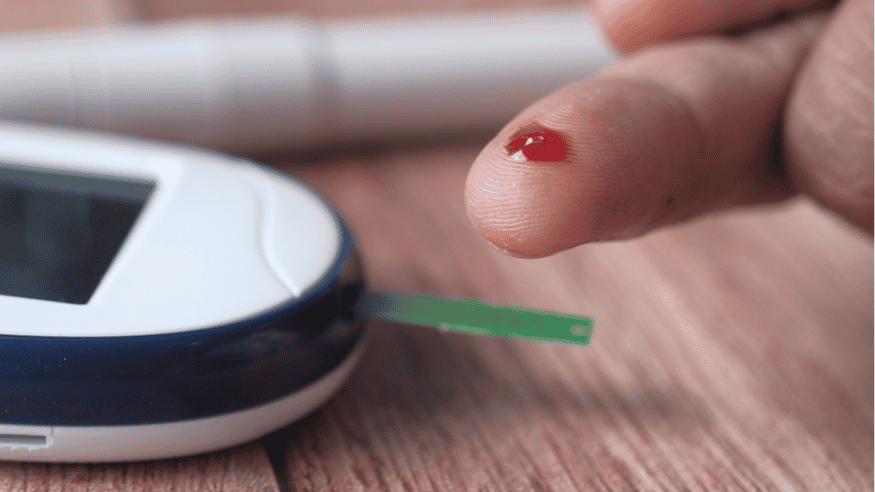
Diabetes symptoms are often subtle at first, easy to dismiss as tiredness or normal ageing. But catching them early can be the difference between simple lifestyle changes and serious long-term complications. This guide explains every major warning sign, what your body is telling you, and exactly when it is time to book an appointment with a specialist.
Diabetes mellitus is one of the fastest-growing non-communicable diseases in India. India already has one of the largest populations of diabetic adults in the world, and millions more remain undiagnosed. The condition affects how the body produces or uses insulin, the hormone that regulates blood sugar (glucose). Left unmanaged, high blood sugar silently damages the heart, kidneys, eyes, and nerves over time.
What Happens in the Body When Diabetes Begins?
When you eat, carbohydrates are broken down into glucose, which enters the bloodstream. The pancreas then releases insulin—a hormone that acts like a key, unlocking cells so glucose can enter and be used for energy.
In Type 1 diabetes, the immune system attacks the insulin-producing cells in the pancreas, so very little or no insulin is made. In Type 2 diabetes—far more common—the body either does not produce enough insulin or the cells become resistant to it. In both cases, glucose builds up in the bloodstream rather than entering cells.
There is also prediabetes—a stage where blood sugar is higher than normal but not yet high enough to be classified as full-blown Type 2 diabetes. With the right interventions, this stage can be reversed completely.
The 10 Most Important Early Diabetes Symptoms You Should Never Ignore
- Frequent Urination (Polyuria): When blood sugar is high, the kidneys work overtime to filter and expel the excess glucose. You may find yourself urinating far more often than usual, including waking up multiple times at night.
- Excessive Thirst (Polydipsia): Frequent urination causes significant fluid loss, leaving you perpetually dehydrated.
- Increased Hunger (Polyphagia): Even after eating, cells starved of glucose send hunger signals to the brain, causing constant, unexplained hunger.
- Unexplained Weight Loss: When the body cannot use glucose for energy, it starts breaking down fat and muscle instead.
- Extreme Fatigue: When cells are deprived of glucose, the body feels constantly drained, foggy, and exhausted.
- Blurred Vision: High blood sugar causes fluid to shift in and out of the lenses of your eyes, making it difficult to focus.
- Slow-Healing Cuts and Wounds: Elevated blood sugar impairs circulation and weakens the immune system, making it harder for the body to heal even minor sores.
- Tingling or Numbness: High glucose levels can damage peripheral nerves, leading to “pins and needles” sensations in the hands and feet.
- Frequent Infections: Excess glucose creates a high-sugar environment where bacteria and fungi thrive, leading to recurrent skin, urinary, or yeast infections.
- Dark Patches of Skin (Acanthosis Nigricans): Dark, velvety patches in body folds (neck, armpits, groin) are strong indicators of insulin resistance.
Diabetes Symptoms in Women vs. Men
While most symptoms are the same, there are gender-specific considerations:
- Women: May experience recurrent vaginal yeast infections, bacterial vaginosis, or complications related to Polycystic Ovary Syndrome (PCOS).
- Men: May notice erectile dysfunction, reduced sex drive, and decreased muscle mass due to hormonal shifts linked to insulin resistance.
Who is at Risk? Key Risk Factors for Diabetes
Anyone can develop diabetes, but the risk is higher for those with:
- A family history of diabetes.
- Excess weight, particularly abdominal fat.
- A sedentary lifestyle.
- High blood pressure or abnormal cholesterol levels.
- Age above 45 years.
- A history of gestational diabetes or PCOS.
The Danger of Ignoring Early Diabetes Symptoms
If diabetes symptoms are ignored, prolonged high blood sugar can lead to:
- Cardiovascular Disease: Increased risk of heart attack and stroke.
- Diabetic Retinopathy: Damage to retinal blood vessels, potentially leading to blindness.
- Diabetic Nephropathy: Chronic kidney disease or failure.
- Diabetic Neuropathy: Severe nerve damage.
- Diabetic Foot: Poor circulation leading to non-healing wounds and amputation risk.
If you are concerned about any of these symptoms, the Department of Endocrinology at Kshetrapal Hospital provides comprehensive diagnosis, personalised treatment plans, and long-term diabetes management in Ajmer.
When Should You See a Doctor?
See a doctor within the next few days if you notice persistent thirst, frequent urination, constant fatigue, unexplained weight loss, blurry vision, or slow-healing wounds.
Seek urgent medical care immediately if you experience:
- Nausea, vomiting, and stomach pain (possible diabetic ketoacidosis).
- Extreme confusion or difficulty thinking clearly.
- Rapid, heavy breathing or fruity-smelling breath.
- Loss of consciousness.
How is Diabetes Diagnosed?
- Fasting Plasma Glucose (FPG) Test: Measures blood sugar after an 8-hour fast.
- HbA1c Test: Reflects your average blood sugar level over the past 2 to 3 months.
- Oral Glucose Tolerance Test (OGTT): Measures response to a glucose solution.
- Random Plasma Glucose Test: Taken at any time of day; a result of 200 mg/dL or higher may indicate diabetes.
The Role of an Endocrinologist in Diabetes Management
While a general physician can diagnose diabetes, a specialist in the Department of Endocrinology is the most qualified for ongoing care. Endocrinologists focus on the hormonal systems that regulate your body, including the pancreas and insulin production.
The team at Kshetrapal Hospital provides:
- Accurate and comprehensive diagnosis.
- Personalised medication and insulin therapy.
- Ongoing HbA1c monitoring.
- Screening for complications affecting the kidney, eye, nerve, and heart.
- Dietary and nutritional guidance tailored to your specific needs.
Lifestyle Changes That Can Reverse Prediabetes
If you are in the prediabetes stage or have recently been diagnosed, these changes can be transformative:
- Eat a Balanced, Low-Glycaemic Diet: Focus on fibre-rich vegetables, whole grains, and lean proteins; avoid refined carbs and sugar.
- Move More: Aim for at least 30 minutes of moderate activity 5 days a week.
- Maintain a Healthy Weight: Losing 5 to 10% of your body weight significantly improves insulin sensitivity.
- Manage Stress: Practices like yoga and adequate sleep help control cortisol-related blood sugar spikes.
Frequently Asked Questions
Can I have diabetes without any symptoms? Yes, especially in the early stages of Type 2 diabetes. This is why routine screening is vital.
Is feeling tired always a sign of diabetes? Not necessarily, but if fatigue occurs with other symptoms like thirst or frequent urination, get tested.
Can diabetes symptoms disappear on their own? No. Symptoms may fluctuate, but the underlying blood sugar issues require medical management or lifestyle intervention.
Get Expert Diabetes Care at Kshetrapal Hospital, Ajmer
If you or a loved one is experiencing any of the diabetes symptoms described in this article, do not wait. Kshetrapal Hospital is a fully NABH-accredited multispeciality hospital in Ajmer offering comprehensive diabetes care. Our experienced team provides the guidance you need to live a full, healthy life.