
Skip to content
Call

365 Days X 24 Hours Emergency Full NABH Accreditation, under 5th Edition

New
kshetrapal-hospital-ajmer-logo

Phone : 0145 2970501 # Emergency : 0145-2970502
info@kshetrapalhospital.com

  • Home
  • About
    • About Hospital
    • Core Team
    • Gallery
      • Gallery – 2026
      • Gallery – 2025
      • Gallery – 2024
      • Gallery – 2023
      • Gallery – 2022
    • Kshetrapal in Press Media
      • 2026
      • 2025
      • 2024
      • Till 2023
  • Care & Services
    • Services
    • Facilities
    • Blood centre
    • Insurance & TPA
    • Rights & Guidelines
    • OPD Outsource
    • FAQs
  • Our Doctors
  • Specialities
    • Department of Anaesthesia
    • Department of Cardiology
    • Department of Dentistry
    • Department of Endocrinology
    • Department of Dermatology
    • Department of E.N.T.
    • Department of Gastroenterology
    • Department of General Medicine
    • Department of General, Laser, & Laparoscopy Surgery
    • Department of Neurology
    • Department of Neurosurgery
    • Department of Obstetrics & Gynaecology
    • Department of Ophthalmology
    • Department of Orthopaedics
    • Department of Paediatrics
    • Department of Pathology
    • Department of Physiotherapy
    • Department of Pulmonology
    • Department of Radiology
    • Department of Surgical Oncology
    • Department of Urology
  • Oncology
    • Cancer Care Centre
    • Understanding Cancer
    • Oncology Treatments
      • Medical Oncology
      • Surgical Oncology
      • Radiation Oncology
      • Nuclear Medicine
    • Contact
  • Eye Hospital
  • Check-Ups
  • Contact
    • Career
  • Blogs
  • Home
  • About
    • About Hospital
    • Core Team
    • Gallery
      • Gallery – 2026
      • Gallery – 2025
      • Gallery – 2024
      • Gallery – 2023
      • Gallery – 2022
    • Kshetrapal in Press Media
      • 2026
      • 2025
      • 2024
      • Till 2023
  • Care & Services
    • Services
    • Facilities
    • Blood centre
    • Insurance & TPA
    • Rights & Guidelines
    • OPD Outsource
    • FAQs
  • Our Doctors
  • Specialities
    • Department of Anaesthesia
    • Department of Cardiology
    • Department of Dentistry
    • Department of Endocrinology
    • Department of Dermatology
    • Department of E.N.T.
    • Department of Gastroenterology
    • Department of General Medicine
    • Department of General, Laser, & Laparoscopy Surgery
    • Department of Neurology
    • Department of Neurosurgery
    • Department of Obstetrics & Gynaecology
    • Department of Ophthalmology
    • Department of Orthopaedics
    • Department of Paediatrics
    • Department of Pathology
    • Department of Physiotherapy
    • Department of Pulmonology
    • Department of Radiology
    • Department of Surgical Oncology
    • Department of Urology
  • Oncology
    • Cancer Care Centre
    • Understanding Cancer
    • Oncology Treatments
      • Medical Oncology
      • Surgical Oncology
      • Radiation Oncology
      • Nuclear Medicine
    • Contact
  • Eye Hospital
  • Check-Ups
  • Contact
    • Career
  • Blogs
  • Home
  • About
    • About Hospital
    • Core Team
    • Gallery
      • Gallery – 2026
      • Gallery – 2025
      • Gallery – 2024
      • Gallery – 2023
      • Gallery – 2022
    • Kshetrapal in Press Media
      • 2026
      • 2025
      • 2024
      • Till 2023
  • Care & Services
    • Services
    • Facilities
    • Blood centre
    • Insurance & TPA
    • Rights & Guidelines
    • OPD Outsource
    • FAQs
  • Our Doctors
  • Specialities
    • Department of Anaesthesia
    • Department of Cardiology
    • Department of Dentistry
    • Department of Endocrinology
    • Department of Dermatology
    • Department of E.N.T.
    • Department of Gastroenterology
    • Department of General Medicine
    • Department of General, Laser, & Laparoscopy Surgery
    • Department of Neurology
    • Department of Neurosurgery
    • Department of Obstetrics & Gynaecology
    • Department of Ophthalmology
    • Department of Orthopaedics
    • Department of Paediatrics
    • Department of Pathology
    • Department of Physiotherapy
    • Department of Pulmonology
    • Department of Radiology
    • Department of Surgical Oncology
    • Department of Urology
  • Oncology
    • Cancer Care Centre
    • Understanding Cancer
    • Oncology Treatments
      • Medical Oncology
      • Surgical Oncology
      • Radiation Oncology
      • Nuclear Medicine
    • Contact
  • Eye Hospital
  • Check-Ups
  • Contact
    • Career
  • Blogs
  • Home
  • About
    • About Hospital
    • Core Team
    • Gallery
      • Gallery – 2026
      • Gallery – 2025
      • Gallery – 2024
      • Gallery – 2023
      • Gallery – 2022
    • Kshetrapal in Press Media
      • 2026
      • 2025
      • 2024
      • Till 2023
  • Care & Services
    • Services
    • Facilities
    • Blood centre
    • Insurance & TPA
    • Rights & Guidelines
    • OPD Outsource
    • FAQs
  • Our Doctors
  • Specialities
    • Department of Anaesthesia
    • Department of Cardiology
    • Department of Dentistry
    • Department of Endocrinology
    • Department of Dermatology
    • Department of E.N.T.
    • Department of Gastroenterology
    • Department of General Medicine
    • Department of General, Laser, & Laparoscopy Surgery
    • Department of Neurology
    • Department of Neurosurgery
    • Department of Obstetrics & Gynaecology
    • Department of Ophthalmology
    • Department of Orthopaedics
    • Department of Paediatrics
    • Department of Pathology
    • Department of Physiotherapy
    • Department of Pulmonology
    • Department of Radiology
    • Department of Surgical Oncology
    • Department of Urology
  • Oncology
    • Cancer Care Centre
    • Understanding Cancer
    • Oncology Treatments
      • Medical Oncology
      • Surgical Oncology
      • Radiation Oncology
      • Nuclear Medicine
    • Contact
  • Eye Hospital
  • Check-Ups
  • Contact
    • Career
  • Blogs
metastasis condition

Understanding Cancer

Understanding Cancer and Why Early Detection Matters

Cancer happens when some cells in the body start growing in an unusual and uncontrolled way. These cells may form a lump or spread to nearby tissues and other parts of the body. When cancer is found early, treatment becomes easier and the chances of recovery are much better.

Knowing the warning signs, understanding the stages, and getting regular health check-ups can help people take the right steps at the right time. Early diagnosis and timely medical attention often make treatment safer, faster, and more effective.

Cancer Care Center
Nuclear Medicine Ajmer

What is Cancer?

Cancer is a disease where normal body cells stop following the natural growth process and begin to multiply without control. These abnormal cells can damage nearby healthy tissues and may also spread to other organs.

Some tumors are non-cancerous and do not spread, while malignant tumors are cancerous and need proper medical treatment. Cancer can affect many parts of the body such as the breast, lungs, colon, blood, skin, bones, and brain.

Discuss Your Concerns
Nuclear Medicine Ajmer

Common Symptoms of Cancer

Cancer symptoms can be different for every person depending on the type and stage of the disease. Recognizing early warning signs and seeking medical advice on time can help with faster diagnosis and better treatment outcomes.

weight loss

Unexplained Weight Loss

Sudden weight loss without changes in diet, exercise, or daily routine may be an early warning sign and should be checked by a doctor.

fatigue

Constant Fatigue

Feeling tired all the time, even after proper rest and sleep, may indicate that the body is dealing with an underlying health problem.

cough

Persistent Cough

A cough that continues for many weeks or noticeable changes in voice should not be ignored and require proper medical attention.

cough blood

Unusual Bleeding

Bleeding without a clear reason, such as blood in urine, stool, or unusual discharge, should always be examined by a doctor.

swelling

Lumps or Swelling

Any unusual lump, swelling, or growth in the body should be checked early to rule out serious health conditions.

vegetarian

Difficulty Swallowing

Trouble while swallowing food or liquids for a long time may be linked to conditions that need proper medical evaluation.
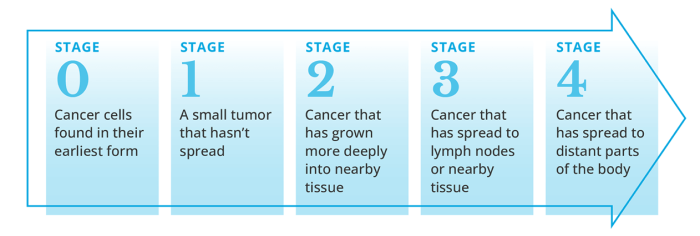
Understanding Cancer Stages

Cancer is usually divided into stages based on its size, growth, and spread to nearby tissues or distant organs. Understanding these stages helps doctors decide the right treatment plan for each patient.

Cancer detection

Stage 0

Cancer is found only in one place and has not spread to nearby tissues or other organs of the body.

Stage I – II

Cancer is growing but is still limited to the original area with only a small amount of local spread nearby.

cancer cell

Stage III

Cancer becomes larger and may involve nearby lymph nodes or surrounding tissues, making treatment more detailed and planned.
lung-cancer

Stage IV

Cancer has spread to distant organs like the lungs, liver, bones, or brain. This stage is called metastasis.

metastasis condition

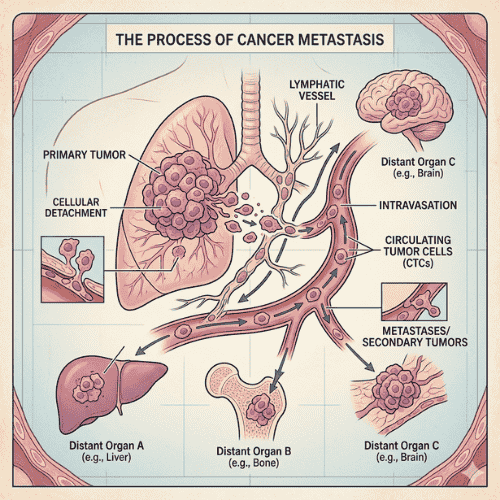
What is Metastasis?

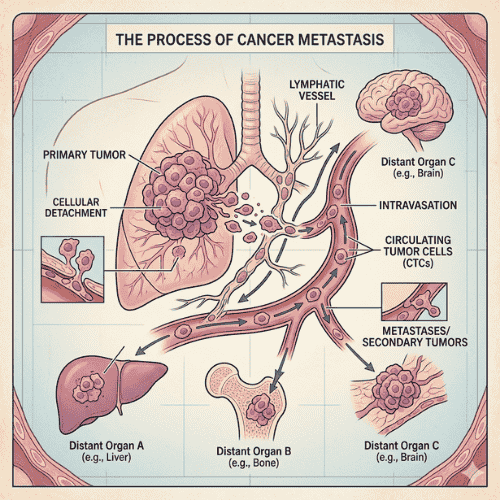
Metastasis happens when cancer cells break away from the original tumor and spread to other parts of the body through the blood or lymphatic system. This process makes treatment more complex and is one of the main reasons why early diagnosis is so important.

For example, breast cancer may spread to the lungs, bones, or liver. Detecting cancer before it reaches this stage improves treatment outcomes and helps doctors plan more effective care.

Get Expert Care

How is Cancer Diagnosed?

Cancer diagnosis involves different tests and medical evaluations depending on the symptoms and the suspected condition. Accurate diagnosis helps doctors understand the type of cancer, its stage, and the best treatment approach.

Blood Tests

Blood tests help identify abnormal changes in the body and support early detection when combined with other medical examinations.

biopsy

Biopsy

A biopsy removes a small sample of tissue so doctors can check for cancer cells and understand the exact condition.
medical scan

CT and MRI Scans

These imaging tests create detailed pictures of internal organs and help doctors locate tumors and evaluate disease spread.
pet scan

PET-CT Scan

PET-CT provides advanced imaging for diagnosis, staging, and monitoring how well cancer treatment is working over time.

endoscopy

Endoscopy and Colonoscopy

These procedures help doctors examine internal organs directly and detect cancer in areas like the stomach or colon.

Cancer Treatment Options

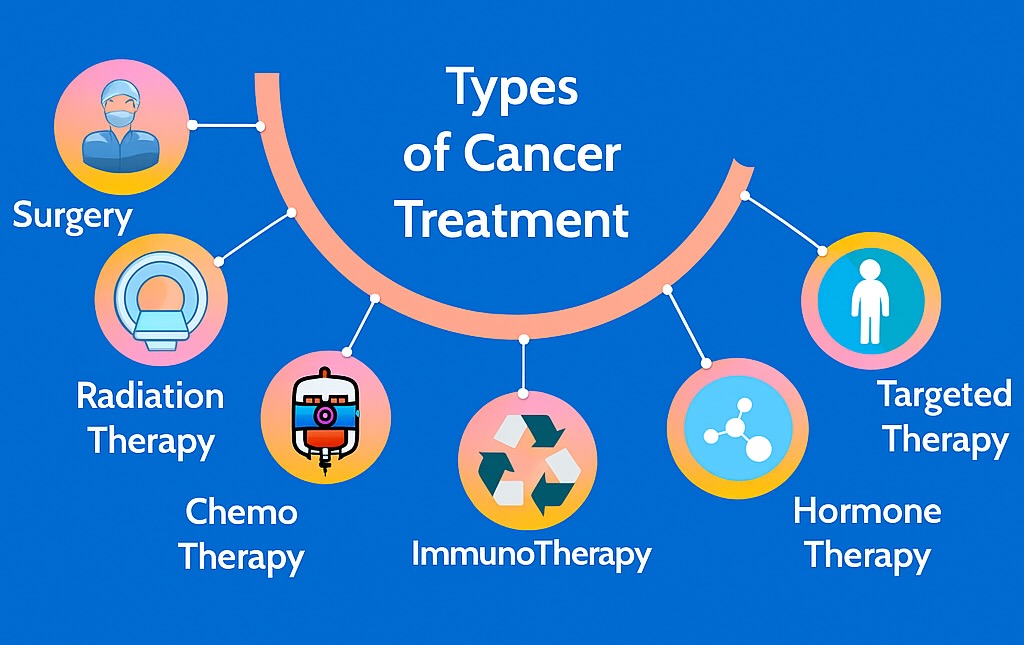
Cancer treatment depends on the type of cancer, its stage, and the overall health of the patient. In many cases, doctors use a combination of treatments to control the disease, reduce symptoms, and improve recovery outcomes.

chemo

Medical Oncology

Medical oncology includes chemotherapy, immunotherapy, and targeted therapy that help destroy or control cancer cells using medicines and specialized treatment plans.

cancer surgery

Surgical Oncology

Surgical oncology focuses on removing tumors and affected tissues when cancer is limited to a specific area and surgery is the best option.
radiation oncology

Radiation Oncology

Radiation therapy uses high-energy rays to target cancer cells, reduce tumor growth, and support treatment without major surgery in many cases.

Pet scan

Nuclear Medicine

Nuclear medicine supports cancer diagnosis, staging, and treatment monitoring through advanced imaging such as PET-CT for better medical decisions.

Learn More about Oncology
Cancer Prevention

Cancer Prevention Starts with Awareness

While not all cancers can be prevented, healthy lifestyle choices can help reduce the overall risk and support better long-term health. Awareness, regular screening, and timely medical attention play an important role in prevention.

Avoid Tobacco

Smoking and tobacco use increase the risk of many cancers and should be avoided to protect long-term health and reduce complications.

Healthy Diet

Eating fresh fruits, vegetables, and balanced meals helps the body stay strong and supports better immunity and overall wellness.

Regular Exercise

Daily physical activity helps maintain a healthy weight, improves immunity, and lowers the risk of many serious health conditions.

Regular Health Check-Ups

Preventive screenings and routine health check-ups help detect cancer early before symptoms become serious or difficult to manage.

Cancer Prevention

Get Expert Guidance for Cancer Concerns

If you notice unusual symptoms or have concerns about cancer, early consultation can help you understand the next steps clearly and avoid delays in treatment.

Chat with us
Call Now

Understanding Cancer

What is Cancer ?
Cancer is a condition where some of the body’s cells grow uncontrollably and spread to other parts of the body. Normally, the body regulates cell growth and division. But in cancer, these processes go wrong — leading to the formation of abnormal cells or tumors, which may be benign (non-cancerous) or malignant (cancerous).
Common Symptoms

Symptoms vary depending on the type and location of cancer, but some common signs include:

  • Unexplained weight loss
  • Fatigue or weakness
  • Persistent cough or hoarseness
  • Changes in bowel or bladder habits
  • Non-healing sores
  • Unusual bleeding or discharge
  • Lumps or swelling

Note: These symptoms can also occur due to non-cancerous conditions. Early check-up and screening are essential.

Understanding Cancer Stages

Cancer is usually classified in stages (0 to IV) based on its size, spread, and involvement of nearby tissues or organs.

  • Stage 0: Cancer is localized and hasn’t spread.
  • Stage I-II: Local growth, but limited spread.
  • Stage III: Larger tumors, often with nearby lymph node involvement.
  • Stage IV: Cancer has spread to distant organs (metastasis).
cancer-stages
What is Metastasis?
Metastasis occurs when cancer cells break away from the original tumor and spread to other parts of the body (e.g., lungs, liver, bones). This happens through the blood or lymphatic system and is a key reason why early detection is critical.
How is Cancer Treated?

Cancer treatment is multimodal — often involving a combination of methods tailored to the individual:

  • Surgery: To remove tumors or affected tissues.
  • Chemotherapy: Medicines that kill or stop the growth of cancer cells.
  • Radiation Therapy: High-energy rays (like X-rays) to target and destroy cancer cells.
  • Targeted Therapy: Drugs that act on specific molecules involved in cancer growth.
  • Immunotherapy: Boosts the body’s immune system to fight cancer.
  • Nuclear Medicine (e.g., PET-CT): For accurate diagnosis and specialized treatments.

At Kshetrapal Cancer Center, all these services are available under one roof, guided by experienced oncologists and supported by the latest technology.

Early Detection Saves Lives

Many cancers, when detected early, are highly treatable. Regular screenings, awareness of symptoms, and prompt consultation can make a life-saving difference.

Have an Inquiry ?

Just submit your details and we will call you shortly

About Us

  • About Hospital
  • Core Team
  • Gallery
  • Press Media

Patient Care & Service

  • Services
  • Facilities
  • Insurance & TPA
  • Rights & Guidelines
  • FAQs
  • Patient Stories

Stay Healthy

  • Specialities
  • Find a Doctor
  • Health Check-Up
  • Health Articles
  • Book Appointment

Other Links

  • Career
  • Eye Hospital
  • Location
  • OPD Source
  • CAMP

Contact

Sector-C, Panchsheel Nagar, Ajmer (Raj.)
0145 2970501, 0145 2970502, 9116002892
Call Now
Download App
Facebook-f Instagram Youtube Twitter Linkedin Whatsapp

Terms & Conditions | Refund Policy | Privacy Policy

© Kshetrapal Hospital. All rights reserved​.

Made with ❤ by DEXTERWIT​

  • →
  • Phone
  • WhatsApp