

Kshetrapal Eye Hospital – Best Eye Care Hospital in Ajmer
Complete Eye Care & Advanced LASIK Services in Ajmer
Kutchery Road, Ajmer
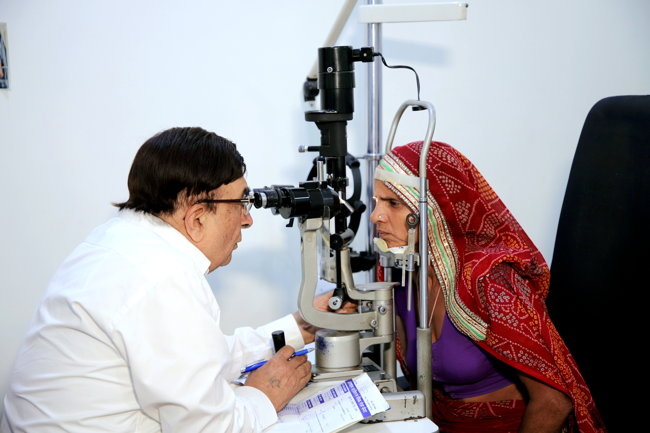
Kshetrapal Eye Hospital & LASIK Laser Centre has been providing comprehensive eye care services with a focus on accurate diagnosis, advanced treatment, and compassionate patient care. Our experienced ophthalmologists and modern diagnostic technology help patients receive the right treatment for a wide range of eye conditions, from routine vision check-ups to complex surgical procedures.
With facilities for cataract surgery, LASIK, retina care, glaucoma management, pediatric ophthalmology, and comprehensive eye examinations, we are committed to helping patients achieve better vision and long-term eye health. Patients from Ajmer, Kishangarh, Beawar, Pushkar, Nasirabad, and nearby areas trust our team for quality eye care in a safe and comfortable environment.
Our Comprehensive Eye Care Services
Eye Examination
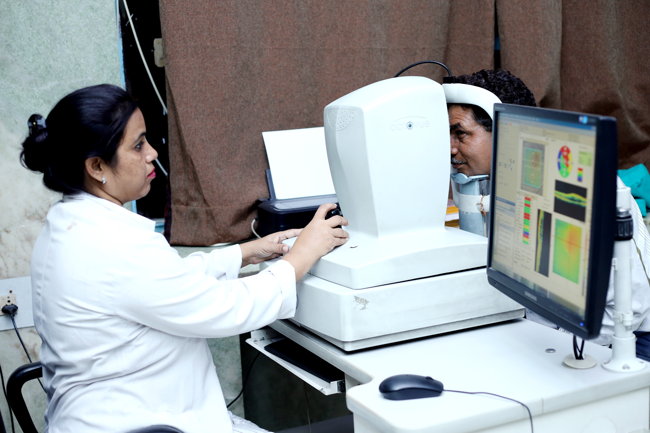
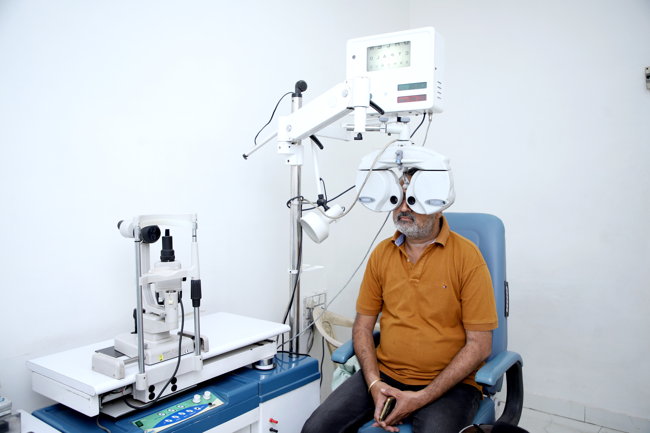
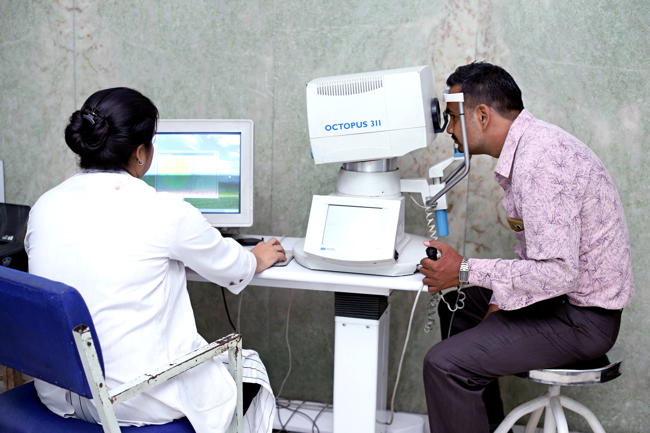
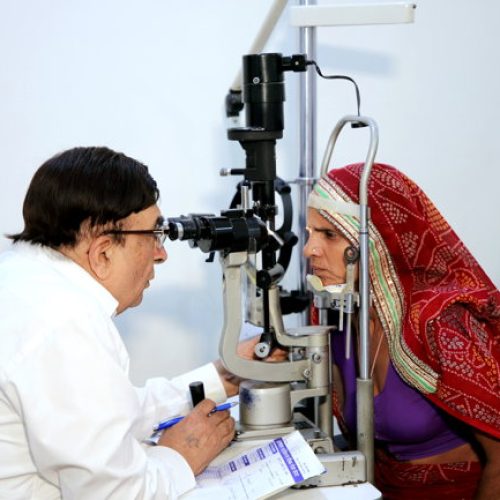
Receive a detailed eye examination using advanced diagnostic technology to assess vision, detect eye conditions early, and recommend the most suitable treatment for long-term eye health.
Cataract Surgery
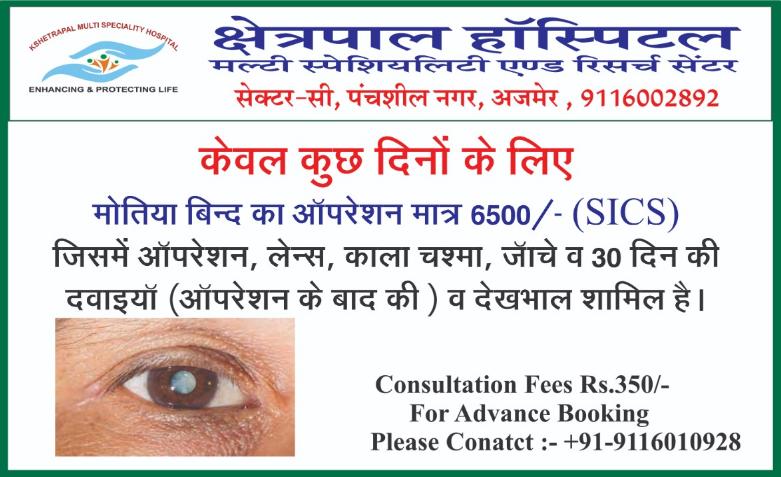
Our experienced eye specialists perform modern cataract surgery with advanced techniques and Visual YAG Laser support to restore clearer vision with improved safety and faster recovery.
LASIK Vision Correction
LASIK vision correction helps reduce dependence on glasses or contact lenses after a thorough eye evaluation, providing clearer vision for suitable candidates with advanced laser technology.
Glaucoma Care
Early glaucoma detection and ongoing management include comprehensive eye evaluations, OCT imaging, and Visual Field Testing to help protect the optic nerve and preserve vision.
Retina & Diabetic Eye Care
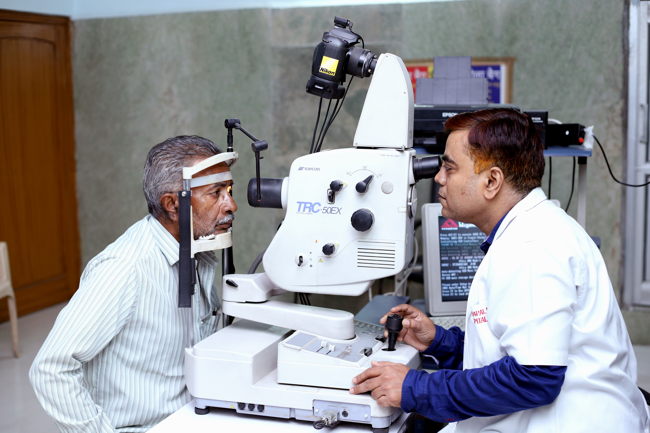
Advanced retinal imaging with OCT and Fundus Photography helps diagnose and manage diabetic retinopathy, macular disorders, and other retinal conditions before they affect vision.
Cornea Services
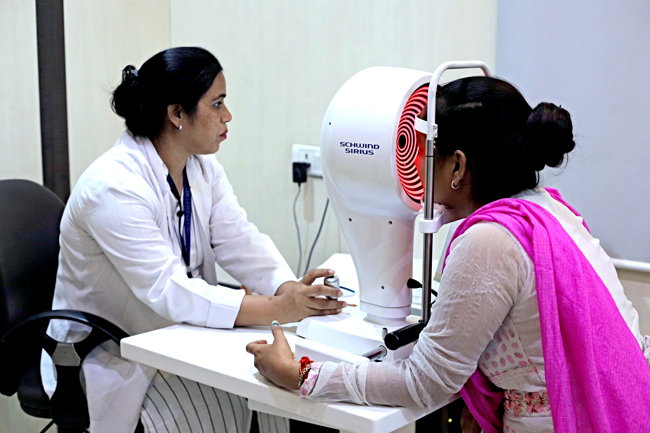
Corneal Tomography provides detailed corneal mapping to diagnose corneal disorders, evaluate LASIK suitability, and support accurate treatment planning for improved visual outcomes.
Vision Testing & Refraction
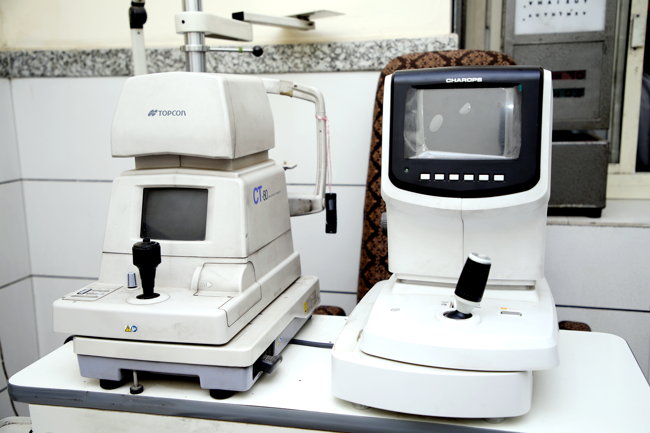
Our state-of-the-art computerized refraction unit provides precise vision assessment, helping determine accurate prescriptions for glasses and contact lenses with greater comfort and clarity.
Pediatric Eye Care
Comprehensive eye examinations for children help detect refractive errors, squint, lazy eye, and other vision concerns early, supporting healthy visual development at every stage.
Eye Conditions We Treat
From common vision problems to complex eye diseases, our team provides comprehensive diagnosis, treatment, and long-term management for patients of all ages using modern eye care technology.
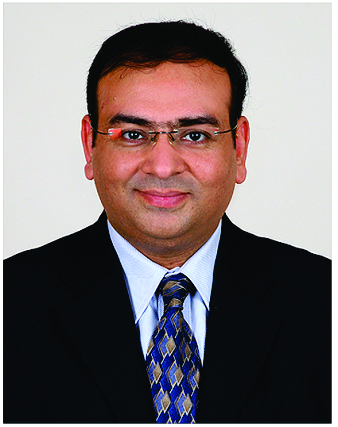
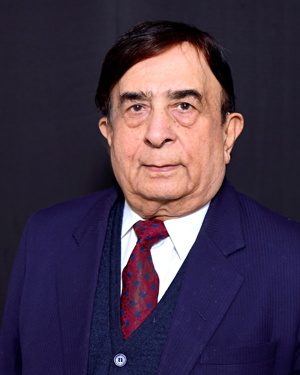
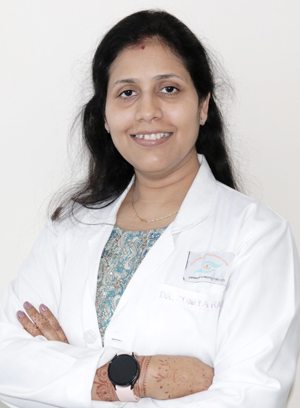
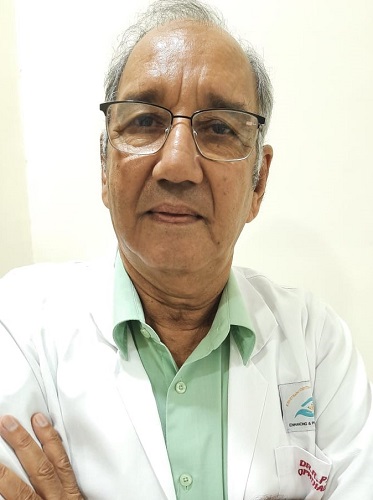
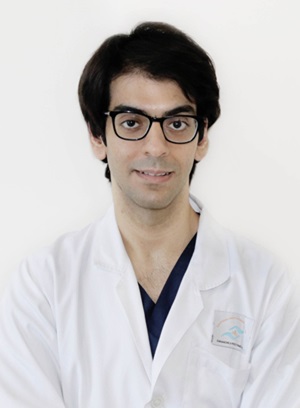
Meet Our Experienced Eye Specialists
Whether you need a routine eye examination, cataract surgery, LASIK vision correction, or treatment for complex eye conditions, our team is dedicated to helping you achieve better vision and long-term eye health.
Protect Your Vision with Expert Eye Care
Whether you need a routine eye check-up, cataract surgery, LASIK vision correction, or treatment for an eye condition, our experienced ophthalmologists are here to help. Book your consultation today and take the first step toward healthier vision.

Why Choose Kshetrapal Eye Hospital?
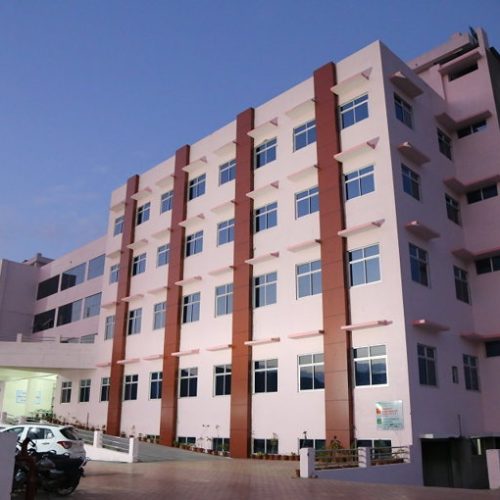
At Kshetrapal Eye Hospital, we combine experienced ophthalmologists, advanced diagnostic technology, and personalized treatment to deliver comprehensive eye care for patients of all ages. From routine eye examinations and vision correction to cataract surgery, LASIK, glaucoma management, and retina care, our focus is on accurate diagnosis, effective treatment, and long-term eye health. Patients from Ajmer and surrounding areas trust us for compassionate care, modern facilities, and a commitment to better vision.
Serving Eye Patients Across Ajmer & Nearby Areas
We proudly provide advanced eye care services to patients from Ajmer, Kishangarh, Nasirabad, Srinagar, Daurai, Beawar, Pushkar, Jaitran, Malpura, Merta, and Parbatsar. Whether you’re looking for a trusted eye care hospital, an experienced eye doctor, or comprehensive vision care, our team is committed to delivering quality treatment with advanced technology and personalized attention for every patient.
Eye Care FAQs
Most adults should get a complete eye examination once every one to two years, even without noticeable vision problems. People with diabetes, high blood pressure, or a family history of eye disease should get checked more frequently, usually once a year.
Blurred vision, frequent headaches, difficulty seeing at night, redness that does not go away, watery or dry eyes, and sudden flashes or floaters are signs that should be evaluated by an eye specialist rather than ignored.
Yes, cataract surgery is one of the safest and most commonly performed eye surgeries. With modern techniques and Visual YAG Laser support, recovery is quick and most patients notice significantly clearer vision within a few days.
Cataracts most commonly develop after the age of 60, though they can sometimes occur earlier due to diabetes, eye injury, prolonged steroid use, or family history.
LASIK suitability depends on factors like your prescription, corneal thickness, and overall eye health. A detailed eye evaluation, including corneal mapping, is needed to confirm whether LASIK is right for you.
For most suitable candidates, LASIK significantly reduces or eliminates the need for glasses or contact lenses for daily activities. However, some patients may still need glasses for specific tasks like reading, especially as they age.
Glaucoma often develops without noticeable symptoms in its early stages, which is why regular eye examinations, including OCT imaging and Visual Field Testing, are important for early detection, especially for people above 40 or with a family history.
Yes, diabetic retinopathy can develop silently without affecting vision in its early stages. Diabetics are advised to get a retinal examination at least once a year, even if their vision feels normal.
This may seem contradictory, but dry eye syndrome often triggers excess tear production as the eye tries to compensate for dryness, leading to watery eyes. An eye specialist can identify the underlying cause and recommend appropriate treatment.
Children should ideally have their first comprehensive eye examination around the age of 3 to 4, or earlier if parents notice signs like squinting, sitting too close to the television, or difficulty focusing.