

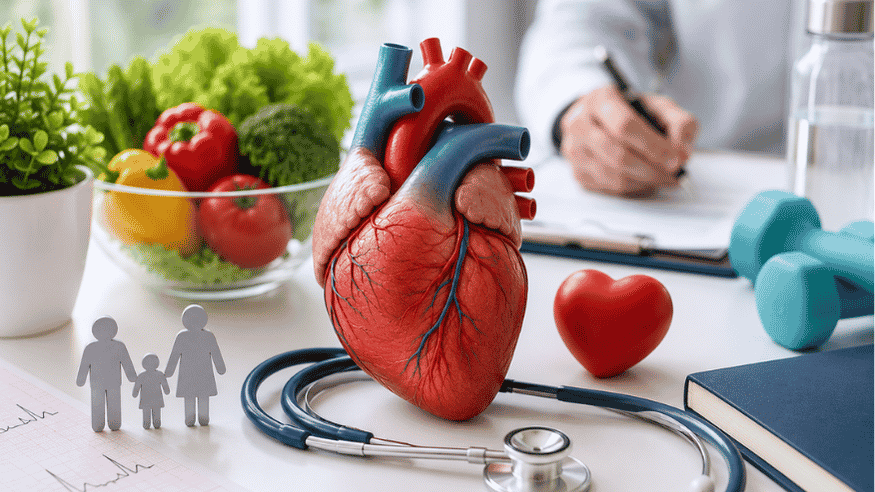
Congestive heart failure (CHF) is one of the most common heart conditions affecting millions of people worldwide. Despite its name, heart failure does not mean the heart has stopped working. Instead, it means the heart is unable to pump enough blood to meet the body’s needs. When this happens, oxygen-rich blood reaches the organs less efficiently, and fluid begins to accumulate in the lungs, legs, feet, or abdomen.
Heart failure is a chronic condition that develops gradually in most people, although it can sometimes occur suddenly after a heart attack or severe heart damage. Early diagnosis and proper treatment play a vital role in controlling symptoms, preventing complications, and improving quality of life.
In this comprehensive guide, you’ll learn everything about congestive heart failure, including its causes, symptoms, diagnosis, treatment options, complications, and preventive measures.
What Is Congestive Heart Failure?
Congestive heart failure is a condition in which the heart muscle becomes too weak or too stiff to pump blood efficiently. As the pumping ability decreases, blood begins to back up in different parts of the body, causing fluid accumulation, also known as congestion.
The reduced blood flow also means that organs such as the kidneys, liver, brain, and muscles receive less oxygen and nutrients than they require. This can lead to fatigue, weakness, breathing difficulties, and swelling in different parts of the body.
Heart failure is not a single disease but rather the result of various underlying heart conditions that gradually weaken the heart over time.
Types of Congestive Heart Failure
Understanding the type of heart failure helps doctors determine the most effective treatment plan.
Left-Sided Heart Failure
Left-sided heart failure is the most common form of congestive heart failure. It occurs when the left ventricle cannot pump blood effectively to the rest of the body. As blood backs up into the lungs, patients often experience shortness of breath, persistent coughing, fatigue, and reduced exercise tolerance.
Right-Sided Heart Failure
Right-sided heart failure develops when the right side of the heart cannot pump blood efficiently to the lungs. This causes blood to back up into the veins, leading to swelling in the legs, ankles, feet, abdomen, and sometimes the liver.
Biventricular Heart Failure
In advanced cases, both the left and right sides of the heart become weak. Patients may experience symptoms related to both lung congestion and body swelling, requiring comprehensive medical management.
Causes of Congestive Heart Failure
Congestive heart failure usually develops because another medical condition has damaged the heart over time. Understanding the underlying cause is important for effective treatment and long-term management.
Coronary Artery Disease
Coronary artery disease is the most common cause of congestive heart failure. When cholesterol deposits narrow the heart’s arteries, blood flow to the heart muscle decreases. Over time, the weakened heart struggles to pump blood efficiently.
Previous Heart Attack
A heart attack permanently damages a portion of the heart muscle. Depending on the severity of the damage, the heart may lose part of its pumping ability, increasing the risk of developing heart failure.
High Blood Pressure
Persistent high blood pressure forces the heart to work harder than normal. Over many years, the heart muscle thickens and eventually weakens, making it difficult to pump blood effectively.
Heart Valve Disease
Damaged or narrowed heart valves increase the workload on the heart. If left untreated, valve disorders can gradually lead to heart failure.
Cardiomyopathy
Cardiomyopathy refers to diseases affecting the heart muscle itself. It may result from genetics, infections, alcohol abuse, or other medical conditions that weaken the heart.
Diabetes
Poorly controlled diabetes damages blood vessels and increases the risk of coronary artery disease, making heart failure more likely.
Obesity
Excess body weight places additional strain on the heart and increases the risk of hypertension, diabetes, and heart disease.
Risk Factors for Congestive Heart Failure
Although anyone can develop congestive heart failure, certain factors significantly increase the risk.
People at higher risk include those who:
- Have high blood pressure
- Have diabetes
- Smoke regularly
- Have high cholesterol
- Are overweight or obese
- Have a family history of heart disease
- Consume excessive alcohol
- Live a physically inactive lifestyle
- Are above 60 years of age
- Have chronic kidney disease
Managing these risk factors can greatly reduce the chances of developing heart failure.
Symptoms of Congestive Heart Failure
The symptoms of congestive heart failure vary depending on the severity of the condition. Many patients initially notice mild symptoms that gradually worsen over time.
Shortness of Breath
Difficulty breathing is often the earliest symptom of congestive heart failure. Patients may notice breathlessness while walking, climbing stairs, or even while lying flat in bed. As fluid accumulates in the lungs, breathing becomes increasingly difficult.
Persistent Fatigue and Weakness
Since the heart cannot supply enough oxygen-rich blood to the muscles and organs, patients often feel unusually tired. Everyday activities that were once easy may become exhausting.
Swelling in the Legs and Feet
Fluid retention causes swelling in the ankles, feet, legs, and sometimes the abdomen. Shoes may become tight, and swelling often worsens toward the end of the day.
Rapid Weight Gain
A sudden increase in body weight over a few days may indicate fluid retention rather than fat gain. Patients with heart failure are often advised to monitor their weight daily.
Persistent Cough
A cough that produces white or pink frothy sputum may develop when fluid collects inside the lungs.
Irregular or Fast Heartbeat
The heart may beat faster to compensate for its reduced pumping ability. Some patients experience palpitations or an irregular heartbeat.
Reduced Ability to Exercise
Activities like walking, climbing stairs, or carrying groceries become increasingly difficult because the heart cannot meet the body’s increased oxygen demand.
How Is Congestive Heart Failure Diagnosed?
Diagnosing congestive heart failure requires a combination of clinical evaluation and advanced diagnostic tests. Your cardiologist will assess your symptoms, medical history, lifestyle, and family history before recommending appropriate investigations.
Physical Examination
The diagnosis often begins with a detailed physical examination. Your doctor may check your blood pressure, heart rate, breathing pattern, swollen legs, lung sounds, and neck veins for signs of fluid buildup.
Electrocardiogram (ECG)
An Electrocardiogram (ECG) is usually one of the first tests performed when heart failure is suspected. It records the electrical activity of the heart and helps detect irregular heart rhythms, previous heart attacks, or signs of heart muscle damage. Although an ECG alone cannot confirm congestive heart failure, it provides valuable information about the overall health of the heart.
Echocardiography (2D Echo)
A 2D Echocardiogram is considered the most important test for diagnosing congestive heart failure. Using ultrasound waves, it creates detailed images of the heart chambers, valves, and pumping function. It also measures the heart’s ejection fraction (EF), which indicates how effectively the heart is pumping blood throughout the body.
Chest X-ray
A chest X-ray helps doctors identify whether the heart is enlarged and if fluid has accumulated in the lungs. Since congestion in the lungs is a common feature of heart failure, this imaging test provides useful information about the severity of the condition and helps rule out other causes of breathing difficulties.
Blood Tests
Blood tests help evaluate your overall health and identify conditions that may contribute to heart failure, such as kidney disease, thyroid disorders, diabetes, or anemia. Doctors may also recommend specific cardiac biomarkers like BNP or NT-proBNP, which are commonly elevated in patients with congestive heart failure.
Cardiac CT Scan or MRI
In certain cases, a Cardiac CT scan or MRI is recommended to obtain highly detailed images of the heart. These advanced imaging tests help detect structural abnormalities, damaged heart muscle, congenital heart defects, or other underlying conditions that may not be visible on routine investigations.
Stress Test
A stress test evaluates how well your heart performs during physical activity or under medication-induced stress. It helps determine whether reduced blood flow due to blocked coronary arteries is contributing to heart failure symptoms and assists doctors in planning further treatment.
Coronary Angiography
If coronary artery disease is suspected to be the cause of congestive heart failure, your cardiologist may recommend coronary angiography. This procedure uses contrast dye and X-ray imaging to identify blocked or narrowed arteries supplying the heart, allowing doctors to decide whether angioplasty or bypass surgery is necessary.
Treatment for Congestive Heart Failure
Treatment focuses on improving heart function, relieving symptoms, slowing disease progression, and preventing future hospitalizations. Depending on the severity of the condition, treatment may involve medications, lifestyle modifications, medical procedures, or surgery.
Medications
Several medications are commonly prescribed to help the heart work more efficiently. These may include ACE inhibitors, ARBs, beta-blockers, diuretics, SGLT2 inhibitors, aldosterone antagonists, and blood-thinning medications when required. Your cardiologist will determine the most appropriate treatment plan based on your condition.
Lifestyle Changes
Lifestyle modifications are an essential part of heart failure management. Patients are advised to reduce salt intake, maintain a healthy weight, exercise regularly as recommended, stop smoking, avoid excessive alcohol consumption, manage stress, and monitor blood pressure and blood sugar levels. These changes help reduce strain on the heart and improve overall health.
Medical Procedures and Surgery
Some patients may require advanced treatment if medications alone are not sufficient. Procedures such as coronary angioplasty, coronary artery bypass grafting (CABG), heart valve repair or replacement, pacemaker implantation, implantable cardioverter defibrillator (ICD), or cardiac resynchronization therapy (CRT) may be recommended depending on the underlying cause. In severe cases, a heart transplant may be considered.
Possible Complications
If congestive heart failure is left untreated, it can lead to serious complications such as kidney damage, liver dysfunction, irregular heart rhythms, blood clots, pulmonary edema, and repeated hospital admissions. Timely diagnosis and regular follow-up significantly reduce the risk of these complications.
Can Congestive Heart Failure Be Prevented?
Although not every case can be prevented, adopting a heart-healthy lifestyle can significantly lower the risk. Maintaining a balanced diet, exercising regularly, avoiding tobacco, limiting alcohol intake, controlling diabetes and blood pressure, and attending routine health check-ups all contribute to better heart health.
Living with Congestive Heart Failure
Living with congestive heart failure requires ongoing medical care and healthy lifestyle choices. Taking medications as prescribed, monitoring body weight, limiting salt intake, staying physically active within recommended limits, and attending regular cardiology appointments can help patients manage symptoms effectively. Recognizing warning signs such as sudden weight gain, worsening breathlessness, or increased swelling is also important, as early medical attention can prevent complications.
Conclusion
Congestive heart failure is a chronic but manageable condition when diagnosed early and treated appropriately. Understanding its causes, recognizing the warning signs, and seeking timely medical care can make a significant difference in long-term health outcomes. Advances in cardiology, medications, and minimally invasive treatments have greatly improved the quality of life for people living with heart failure.
If you or a loved one experiences symptoms such as shortness of breath, swelling in the legs, persistent fatigue, or rapid weight gain, consult an experienced cardiologist without delay. Early diagnosis and personalized treatment are the keys to protecting heart function and living a healthier life.
Frequently Asked Questions
Can congestive heart failure be cured?
Congestive heart failure is generally a lifelong condition, but it can be effectively managed with medications, lifestyle changes, and regular medical care. Early diagnosis helps slow disease progression and improves quality of life.
What foods should heart failure patients avoid?
People with congestive heart failure should limit foods high in salt, processed snacks, sugary beverages, fried foods, and excessive alcohol. A balanced, heart-healthy diet supports better heart function.
Is walking good for congestive heart failure?
Yes, light to moderate walking is often recommended for many patients with congestive heart failure. However, the type and intensity of exercise should always be decided by a cardiologist based on the patient’s condition.
What is the life expectancy of someone with congestive heart failure?
Life expectancy depends on several factors, including age, the severity of heart failure, underlying medical conditions, and how well the patient responds to treatment. Regular follow-up and proper management can improve long-term outcomes.
When should I see a cardiologist?
You should consult a cardiologist if you experience persistent shortness of breath, swelling in your legs or feet, unexplained fatigue, chest discomfort, rapid heartbeat, or sudden weight gain due to fluid retention.