

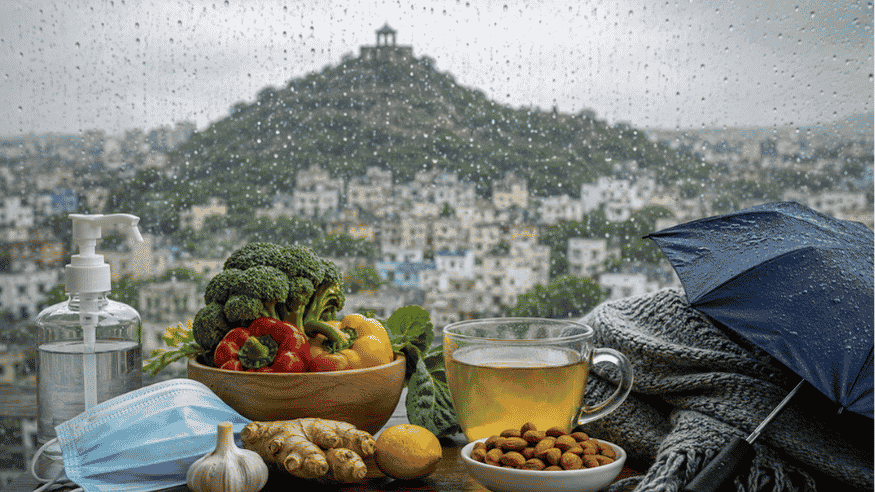
The arrival of the monsoon season brings much-needed relief from the intense summer heat in Ajmer. The cool breeze and refreshing rainfall create a pleasant environment, but the rainy season also increases the risk of several health problems. Changes in temperature, increased humidity, waterlogging, and the growth of bacteria, viruses, and mosquitoes can contribute to various illnesses during this time.
Many people experience seasonal infections, digestive issues, respiratory problems, and mosquito-borne diseases during the monsoon months. Understanding these common health risks and taking preventive measures can help individuals and families stay healthy throughout the season.
In this blog, we will discuss common monsoon diseases in Ajmer and practical prevention tips to protect your health.
Why Does the Risk of Diseases Increase During Monsoon?
Monsoon creates conditions that allow harmful microorganisms to multiply rapidly. Stagnant water becomes a breeding ground for mosquitoes, while contaminated food and water increase the chances of gastrointestinal infections. High humidity levels can also trigger respiratory allergies and fungal infections.
The combination of these factors makes monsoon one of the seasons when people should be extra careful about their health and hygiene.
Common Diseases During Monsoon in Ajmer
1. Dengue Fever
Dengue is one of the most common mosquito-borne diseases reported during the rainy season. It spreads through the bite of infected Aedes mosquitoes, which breed in clean, stagnant water.
Symptoms of Dengue
- High fever
- Severe headache
- Pain behind the eyes
- Joint and muscle pain
- Skin rash
- Fatigue
- Nausea and vomiting
Prevention Tips
- Do not allow water to collect in coolers, flower pots, buckets, or containers.
- Use mosquito repellents regularly.
- Wear full-sleeved clothing, especially during early morning and evening hours.
- Install mosquito screens on doors and windows.
- Keep your surroundings clean.
2. Malaria
Malaria remains another significant concern during monsoon. It is caused by parasites transmitted through infected Anopheles mosquitoes.
Symptoms of Malaria
- Fever with chills
- Sweating
- Headache
- Weakness
- Body aches
- Nausea
Prevention Tips
- Avoid mosquito breeding sites.
- Sleep under mosquito nets when necessary.
- Use insect repellents.
- Ensure proper drainage around your home.
Early diagnosis and treatment are essential to prevent complications.
3. Typhoid Fever
Typhoid is a bacterial infection commonly spread through contaminated food and water. During monsoon, the risk of water contamination increases significantly.
Symptoms of Typhoid
- Persistent high fever
- Abdominal pain
- Weakness
- Headache
- Loss of appetite
- Constipation or diarrhea
Prevention Tips
- Drink only clean and filtered water.
- Avoid consuming food from unhygienic street vendors.
- Wash fruits and vegetables thoroughly.
- Maintain proper hand hygiene.
4. Gastroenteritis and Food Poisoning
Digestive infections become common during rainy weather due to contaminated food and water.
Symptoms
- Diarrhea
- Vomiting
- Stomach cramps
- Nausea
- Dehydration
Prevention Tips
- Eat freshly prepared meals.
- Avoid stale food.
- Wash hands before eating.
- Drink boiled or purified water.
- Store food properly.
Children and older adults are particularly vulnerable to dehydration caused by gastrointestinal infections.
5. Viral Fever
Viral infections spread rapidly during monsoon because of fluctuating temperatures and increased humidity.
Symptoms
- Fever
- Body pain
- Headache
- Fatigue
- Sore throat
- Cough
Prevention Tips
- Maintain personal hygiene.
- Avoid close contact with infected individuals.
- Consume a nutritious diet.
- Stay hydrated.
- Get adequate sleep.
Most viral fevers resolve with supportive care, but medical consultation is important if symptoms worsen.
6. Respiratory Infections
Monsoon weather can increase the risk of respiratory illnesses such as the common cold, influenza, bronchitis, and throat infections.
Symptoms
- Cough
- Sneezing
- Sore throat
- Nasal congestion
- Breathing difficulties
Prevention Tips
- Avoid getting drenched in rain for prolonged periods.
- Change wet clothes immediately.
- Keep indoor areas clean and ventilated.
- Wash hands frequently.
- Strengthen immunity through a balanced diet.
Individuals with asthma or chronic respiratory conditions should take extra precautions during the rainy season.
7. Fungal Skin Infections
The humid environment during monsoon promotes fungal growth, especially in areas that remain moist for long periods.
Common Types
- Ringworm
- Athlete’s foot
- Skin rashes
- Nail infections
Symptoms
- Itching
- Redness
- Skin irritation
- Peeling skin
Prevention Tips
- Keep skin dry.
- Wear breathable cotton clothing.
- Change wet socks and shoes promptly.
- Maintain personal hygiene.
8. Conjunctivitis (Eye Infection)
Eye infections often increase during monsoon because of bacterial and viral exposure.
Symptoms
- Redness in the eyes
- Watering
- Irritation
- Swelling
- Discharge
Prevention Tips
- Avoid touching your eyes frequently.
- Wash hands regularly.
- Do not share towels or personal items.
- Seek medical advice if symptoms persist.
Importance of Safe Drinking Water During Monsoon
Water contamination is a major reason behind many monsoon illnesses. Flooded areas, damaged pipelines, and poor sanitation can increase the spread of harmful bacteria and viruses.
Tips for Safe Water Consumption
- Drink filtered or boiled water.
- Store water in clean containers.
- Clean water tanks regularly.
- Avoid consuming ice from unknown sources.
- Use water purifiers whenever possible.
Safe drinking water is one of the most effective ways to prevent monsoon-related diseases.
Foods That Help Strengthen Immunity During Monsoon
A strong immune system helps the body fight seasonal infections more effectively.
Include These Foods in Your Diet
- Fresh fruits rich in Vitamin C
- Green leafy vegetables
- Nuts and seeds
- Yogurt and probiotics
- Whole grains
- Homemade soups
- Herbal teas
Foods to Avoid
- Stale food
- Uncovered street food
- Excessively oily snacks
- Contaminated beverages
Eating nutritious meals can help maintain overall health and reduce the risk of infections.
Personal Hygiene Tips for Monsoon
Maintaining hygiene is one of the simplest and most effective ways to stay healthy during the rainy season.
Essential Hygiene Practices
- Wash hands frequently with soap.
- Keep nails trimmed and clean.
- Bathe daily.
- Wear clean and dry clothes.
- Keep your surroundings free from stagnant water.
- Sanitize frequently touched surfaces.
Teaching children proper hygiene habits can also help prevent the spread of infections.
Special Care for Children and Elderly Individuals
Young children and older adults are generally more vulnerable to infections during monsoon.
For Children
- Ensure proper nutrition.
- Encourage frequent hand washing.
- Avoid playing in dirty water.
- Keep vaccinations up to date.
For Elderly Individuals
- Monitor chronic health conditions.
- Stay hydrated.
- Avoid exposure to mosquito-prone areas.
- Seek medical attention promptly when symptoms appear.
When Should You Consult a Doctor?
While many seasonal illnesses can be managed with basic care, certain symptoms require immediate medical attention.
Seek medical help if you experience:
- Persistent high fever
- Severe dehydration
- Difficulty breathing
- Uncontrolled vomiting
- Significant weakness
- Severe abdominal pain
- Unusual bleeding or bruising
Early diagnosis and treatment can prevent complications and support faster recovery.
The Role of Preventive Healthcare During Monsoon
Preventive healthcare plays an important role in reducing the impact of seasonal illnesses. Simple lifestyle habits, proper nutrition, adequate hydration, mosquito control, and a regular health check up can help identify potential health concerns before they become serious.
Being proactive about your health is especially important during the rainy season when the risk of infections tends to increase.
Conclusion
The monsoon season in Ajmer brings welcome relief from the heat, but it also creates conditions that can increase the spread of various diseases. Dengue, malaria, typhoid, viral fever, respiratory infections, gastrointestinal illnesses, and fungal infections are among the most common health concerns during this period.
Fortunately, most monsoon-related diseases can be prevented through proper hygiene, safe food and water practices, mosquito control measures, and timely medical care. By staying informed and taking preventive steps, individuals and families can enjoy the rainy season while protecting their health.
For expert medical guidance and comprehensive healthcare services, you can consult the experienced healthcare professionals at Kshetrapal Hospital.