

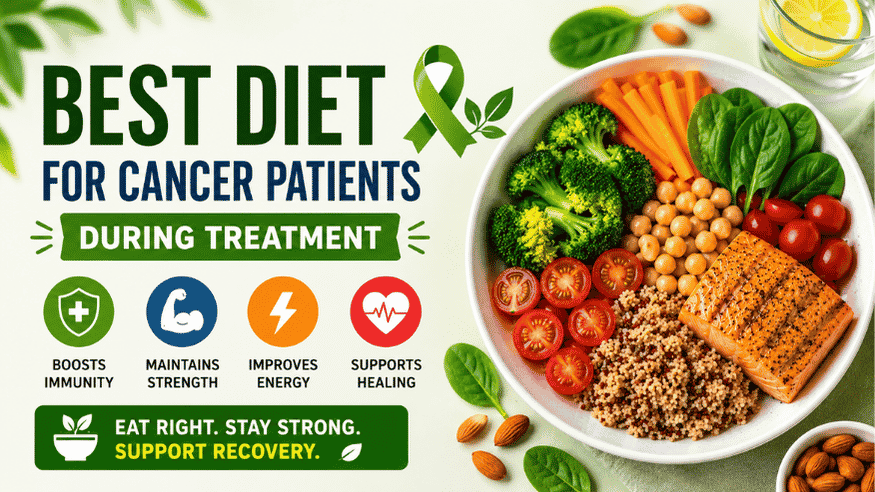
Cancer treatment is a challenging journey, not just physically but emotionally as well. During this time, maintaining proper nutrition becomes one of the most important aspects of recovery and overall well-being. A balanced and carefully planned diet can help patients manage treatment side effects, improve strength, and support faster healing.
In this guide, we’ll explore the best diet for cancer patients during treatment, including what to eat, what to avoid, and how nutrition plays a crucial role in recovery.
Why Nutrition Matters During Cancer Treatment
Cancer treatments like chemotherapy, radiation, and surgery can affect the body in multiple ways. Patients often experience side effects such as loss of appetite, nausea, fatigue, and weakened immunity.
A proper diet helps to maintain body weight and strength, improve immunity, reduce treatment side effects, support tissue repair and healing, and enhance energy levels.
Understanding how diet impacts recovery is an essential part of understanding cancer and managing it effectively.
Key Nutrients Cancer Patients Need
A cancer patient’s diet should be rich in essential nutrients that support the body during treatment.
1. Protein
Protein helps repair tissues and maintain muscle mass. It is especially important during chemotherapy and recovery.
Sources include eggs, dairy products like milk, curd and paneer, lentils and pulses, chicken and fish, as well as nuts and seeds.
2. Healthy Carbohydrates
Carbohydrates provide energy, which is often depleted during treatment.
Sources include whole grains such as brown rice, oats and whole wheat, along with fruits and vegetables.
3. Healthy Fats
Fats help maintain energy levels and support cell function.
Sources include almonds, walnuts, flaxseeds, chia seeds, olive oil, and avocado.
4. Vitamins & Minerals
These are essential for immunity and overall body function.
Sources include leafy greens, citrus fruits, carrots, beetroot, and bananas.
Best Foods for Cancer Patients
Choosing the right foods can make a big difference in how the body responds to treatment.
Fresh fruits and vegetables are rich in antioxidants and help fight cell damage. High-protein foods help maintain strength and prevent muscle loss. Whole grains provide sustained energy and improve digestion. Hydrating foods such as soups, coconut water, and fruits help maintain fluid balance.
For patients undergoing chemotherapy, soft foods like khichdi, dalia, soups, and smoothies are easier to consume and digest.
Foods to Avoid During Cancer Treatment
Certain foods may worsen side effects or weaken immunity. These include processed and packaged foods, excess sugar, fried and oily foods, raw or undercooked meat, unpasteurized dairy, alcohol, and smoking.
Managing Common Side Effects Through Diet
Cancer treatment often comes with side effects, but diet can help manage them effectively.
For loss of appetite, patients should eat small and frequent meals, include high-calorie snacks, and try smoothies or shakes. For nausea and vomiting, it is better to avoid spicy and oily foods, eat bland meals like toast or rice, and drink ginger tea.
Fatigue can be managed by focusing on energy-rich foods, staying hydrated, and including iron-rich foods in the diet. For mouth sores, patients should avoid spicy and acidic foods, eat soft foods, and prefer lukewarm liquids.
Importance of Hydration
Hydration is extremely important during cancer treatment. Drinking enough fluids helps flush out toxins, reduces fatigue, and supports overall body function.
Recommended fluids include water, coconut water, fresh juices, and soups or broths.
Meal Planning Tips for Cancer Patients
Creating a simple and flexible meal plan can help patients stay consistent with their diet. Eating small meals every 2–3 hours, including a variety of nutrients, keeping meals simple and easy to digest, and listening to the body’s needs can make a big difference.
Role of Professional Guidance
Every cancer patient is different, and dietary needs may vary depending on the type of cancer and treatment.
Seeking guidance from experts at a trusted cancer care center ensures personalized diet plans and proper nutritional support throughout the treatment journey.
How Diet Supports Treatment Like Chemotherapy
During chemo, the body undergoes intense changes. Proper nutrition helps reduce side effects, improve treatment tolerance, maintain strength, and support faster recovery.
Emotional and Mental Well-being Through Diet
Food also plays an important role in emotional well-being. Maintaining a routine, eating comforting meals, and having family support can improve a patient’s mental health during treatment.
Final Thoughts
A well-balanced diet is a powerful tool in the fight against cancer. While medical treatments are essential, proper nutrition supports the body, improves recovery, and enhances overall quality of life.
By focusing on nutrient-rich foods, staying hydrated, and making mindful choices, cancer patients can better manage treatment and move towards recovery with strength and confidence.
For expert care and guidance, always consult professionals who can help you understand your condition better and provide the right support throughout your journey.