

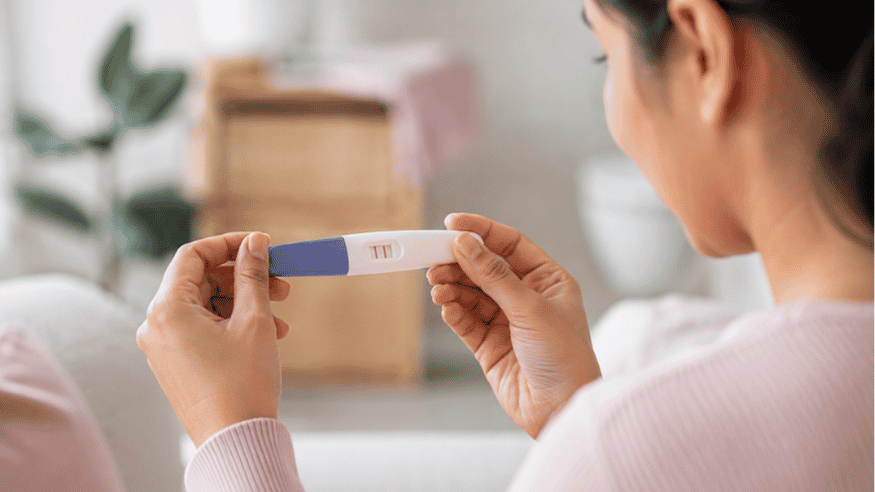
The best time to take a pregnancy test is after you have missed your period, ideally in the morning when urine is most concentrated. Taking a test too early can lead to a false negative result, even if you are actually pregnant, because hormone levels may not yet be high enough to detect.
Many women take a pregnancy test as soon as they suspect they might be pregnant, but timing plays a big role in how accurate the result will be. Understanding how these tests work can help you avoid confusion and get a result you can trust.
How Does a Pregnancy Test Work?
Home pregnancy tests detect a hormone called human chorionic gonadotropin, commonly known as hCG. This hormone is produced by the placenta shortly after a fertilized egg implants in the uterus, and its levels rise quickly in the early days of pregnancy.
Most home tests work by checking urine for the presence of hCG. When hCG levels are high enough, the test shows a positive result. If you test too early, before hCG has built up to a detectable level, the test may show a negative result even though you are pregnant.
When Is the Best Time to Take a Pregnancy Test?
Timing plays a major role in getting an accurate result. Here is what generally works best:
- After a missed period, since this is when hCG levels are usually high enough to be detected reliably
- First thing in the morning, since urine is most concentrated after several hours of sleep, making hCG easier to detect
- At least one to two weeks after unprotected intercourse, since it takes time for hCG levels to build up after implantation
- Avoiding excess fluid intake before the test, since diluted urine can lower hCG concentration and affect accuracy
If your period is irregular and you are not sure when to expect it, waiting at least three weeks after unprotected intercourse generally gives a more reliable result.
Why Testing Too Early Can Give a False Negative
A false negative happens when a test shows a negative result even though you are actually pregnant. This is one of the most common reasons for confusion around pregnancy testing. It usually happens because:
- Testing was done before hCG levels rose high enough to be detected
- Ovulation occurred later than expected in that cycle, delaying hormone production
- The urine sample was too diluted due to drinking a lot of fluids beforehand
- The test was not used correctly or was expired
If you get a negative result but still suspect you may be pregnant, especially if your period does not arrive within a few days, it is worth testing again or consulting a doctor.
Can a Pregnancy Test Give a False Positive?
False positives are much less common than false negatives, but they can happen due to certain medications containing hCG, a recent pregnancy loss, or certain rare medical conditions. If you receive a positive result, it is generally reliable, but confirming it with a blood test or doctor’s consultation is recommended, especially if the result was unexpected.
Home Test vs Blood Test: Which Is More Accurate?
Both home urine tests and blood tests check for hCG, but they work slightly differently:
- Home urine tests are convenient, private, and can usually detect pregnancy from the day of a missed period onward
- Blood tests, done at a clinic or hospital, can detect hCG earlier than urine tests and also measure the exact hormone level, which can help track how a pregnancy is progressing
If a home test result is unclear, faint, or you want confirmation earlier than a home test allows, a blood test at a hospital gives a more precise answer.
What Should You Do After a Positive Result?
A positive pregnancy test is an important first step, but it should be followed by a consultation with a gynaecologist to confirm the pregnancy, check for its early progress, and begin appropriate prenatal care. Early consultation also helps identify the expected due date and address any immediate health concerns.
If you have received a positive result or need clarity about your test, the Department of Obstetrics & Gynaecology at Kshetrapal Hospital in Ajmer provides complete pregnancy confirmation, prenatal checkups, and guidance through every stage of pregnancy.
When Should You See a Doctor?
You should consult a doctor if:
- You get a positive home test result, to begin prenatal care
- Your period is delayed but home test results remain negative
- You experience unusual symptoms such as severe pain or heavy bleeding along with a positive or uncertain result
- You have irregular periods and are unsure about timing your test correctly
Early consultation ensures that both the pregnancy and your health are monitored properly from the start. Kshetrapal Hospital offers complete gynaecological care to guide you through this process with clarity and support.
Frequently Asked Questions
How many days after a missed period should I take a pregnancy test?
You can take a pregnancy test as soon as your period is missed, since hCG levels are usually high enough by then to give an accurate result.
Can I take a pregnancy test at night instead of morning?
Yes, but morning urine is more concentrated, which generally gives a more reliable result, especially in early pregnancy when hCG levels are still low.
How accurate are home pregnancy tests?
Home pregnancy tests are highly accurate when used correctly and at the right time, typically after a missed period. Testing too early is the most common reason for inaccurate results.
Should I test again if my first result was negative but my period is still late?
Yes, if your period does not arrive within a few days of a negative result, it is a good idea to test again or consult a doctor, since hormone levels may have been too low at the time of the first test.
Can stress delay a period and affect pregnancy testing?
Yes, stress can delay ovulation and, in turn, delay your period, which may lead to confusion about when to test. If you are unsure, waiting a few extra days or consulting a doctor can help clarify the situation.