

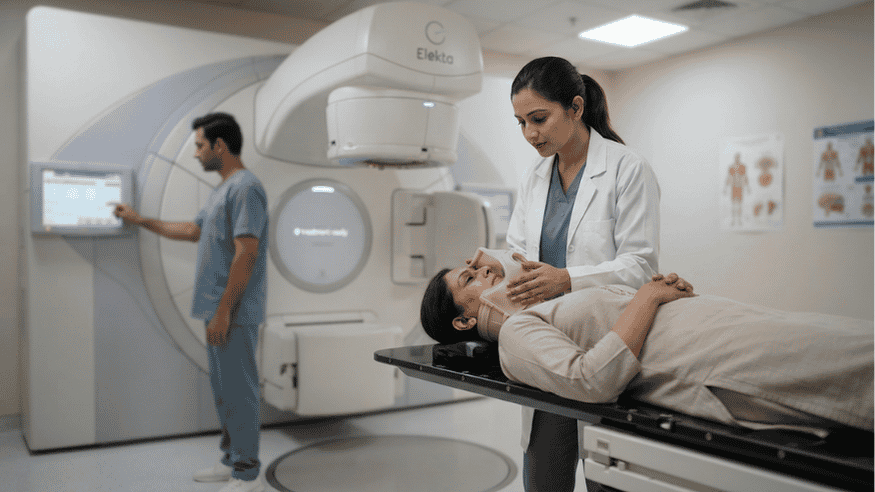
A cancer diagnosis brings a wave of complex emotions, decisions, and medical evaluations. When individuals and families begin exploring treatment pathways, they often encounter three primary pillars of modern oncology: surgery, chemotherapy, and radiation therapy. While surgery aims to physically remove localized tumors and chemotherapy targets cancer cells systemically throughout the body, radiation therapy serves as a powerful, highly precise tool designed to destroy cancer cells locally using high-energy rays.
For patients seeking advanced oncological care and structured recovery pathways, understanding how radiation works can significantly reduce anxiety and empower informed health choices. To explore specialized institutional facilities and multidisciplinary medical support available for various health conditions, you can always visit the main portal at Kshetrapal Hospital for comprehensive details on expert doctors and patient care services.
What is Radiation Therapy?
Radiation therapy—frequently referred to as radiotherapy—uses targeted doses of intense energy, such as X-rays, gamma rays, electron beams, or protons, to eliminate cancer cells and shrink tumors. Inside living tissue, radiation works by damaging the genetic material (DNA) within cells. Because cancer cells divide and multiply faster than normal, healthy cells, they are particularly vulnerable to DNA damage. When their DNA is irreparably harmed, cancer cells stop dividing or die off.
Over the years, medical technology has evolved exponentially. Modern radiation delivery systems are engineered to maximize the destructive dose delivered directly to the malignant mass while sparing surrounding healthy tissues and vital organs as much as possible.
The Objectives of Radiation Therapy in Oncology
Radiation treatment is not a one-size-fits-all solution; its application depends heavily on the type of cancer, its stage, location, and the overall goals of the oncology care team. The primary objectives generally fall into three categories:
- Curative Intent: In many cases, radiation therapy is used as a primary treatment or combined with surgery and chemotherapy to completely cure certain types of cancer, such as head and neck cancers, cervical cancer, or localized prostate cancer.
- Adjuvant or Neoadjuvant Therapy: Radiation is frequently administered before surgery (neoadjuvant) to shrink large tumors, making them easier to surgically remove. Alternatively, it can be given after surgery (adjuvant) to destroy any remaining microscopic cancer cells and minimize the risk of recurrence.
- Palliative Care: For advanced-stage cancers where a full cure may not be possible, radiation plays a vital role in symptom management. It can effectively shrink tumors that are pressing against nerves or organs, thereby reducing pain, bleeding, and other distressing symptoms to enhance the patient’s quality of life.
Major Types of Radiation Therapy
Medical physics and oncology engineering have introduced several advanced techniques to administer radiation safely and effectively. The two broad categories are external beam radiation and internal radiation.
1. External Beam Radiation Therapy (EBRT)
This is the most common form of radiotherapy. A large machine positioned outside the body—called a linear accelerator—aims high-energy beams precisely at the tumor site. Because the machine does not touch the patient, the procedure itself is entirely painless, much like getting a standard diagnostic X-ray.
- Intensity-Modulated Radiation Therapy (IMRT): Allows doctors to shape the radiation dose precisely to the three-dimensional shape of the tumor, adjusting beam intensities to protect adjacent healthy tissues.
- Image-Guided Radiation Therapy (IGRT): Involves taking daily imaging scans right before treatment delivery to ensure pinpoint accuracy, especially for tumors situated near moving organs like the lungs or bladder.
2. Internal Radiation Therapy (Brachytherapy)
In brachytherapy, radioactive material is placed directly inside or very close to the tumor. This can be temporary (where a high-dose radioactive source is inserted for a short duration) or permanent (where tiny radioactive “seeds” are implanted into the tissue). This method allows oncologists to deliver a very high dose of radiation to a localized area while limiting exposure to surrounding healthy structures.
What to Expect During the Treatment Journey
Undergoing radiation therapy involves a carefully coordinated multidisciplinary process designed to maximize precision and patient safety.
- The Simulation Phase: Before actual treatment begins, patients undergo a simulation session. This is a mapping appointment where diagnostic scans are taken, and sometimes custom molds or body rests are created to ensure the patient lies in the exact same position for every single session.
- Treatment Planning: Medical physicists and radiation oncologists use sophisticated software to calculate the precise angle, depth, and dosage of the radiation beams.
- The Treatment Schedule: Radiation therapy is typically administered in daily fractions (sessions) spread across several weeks. This schedule gives healthy cells time to recover between treatments while continuously wearing down the resilient cancer cells.
Managing Radiation Side Effects
Because radiation targets rapidly dividing cells, it can occasionally affect neighboring healthy tissues that also turn over quickly, such as skin and mucosal linings. Side effects vary significantly depending on the part of the body being treated and the specific dosage used.
Common short-term side effects include:
- Fatigue: Cumulative tiredness is one of the most frequently reported symptoms during a course of radiotherapy, stemming from the body’s energy expenditure on cellular repair.
- Skin Irritation: The treated area of skin may become red, dry, tender, or sensitive, resembling a mild sunburn.
- Localized Symptoms: Depending on the treatment site, patients might experience temporary hair loss in the specific field, mild throat irritation during neck treatments, or digestive changes during pelvic radiation.
Most acute side effects gradually resolve within a few weeks to months following the completion of therapy. Modern supportive care, specialized skin care regimens, and nutritional counseling help patients manage these symptoms effectively.
Accessing Specialized Oncology Care
Navigating cancer treatment requires a dedicated team of radiation oncologists, medical physicists, oncology nurses, and support staff who work cohesively to craft individualized treatment paths. For individuals and families seeking expert consultation, advanced technology, and personalized clinical guidance tailored to complex malignancies, patients can explore the specialized services offered through the Radiation Oncology Department.
Conclusion
Radiation therapy remains a cornerstone of modern cancer therapeutics, offering immense hope, precision, and healing potential to countless patients. By combining advanced delivery technology with comprehensive supportive care, oncologists can successfully target malignant growths while preserving surrounding healthy tissues. Understanding the mechanics, types, and management of side effects transforms fear into preparedness, helping patients navigate their healing journey with resilience and confidence.