

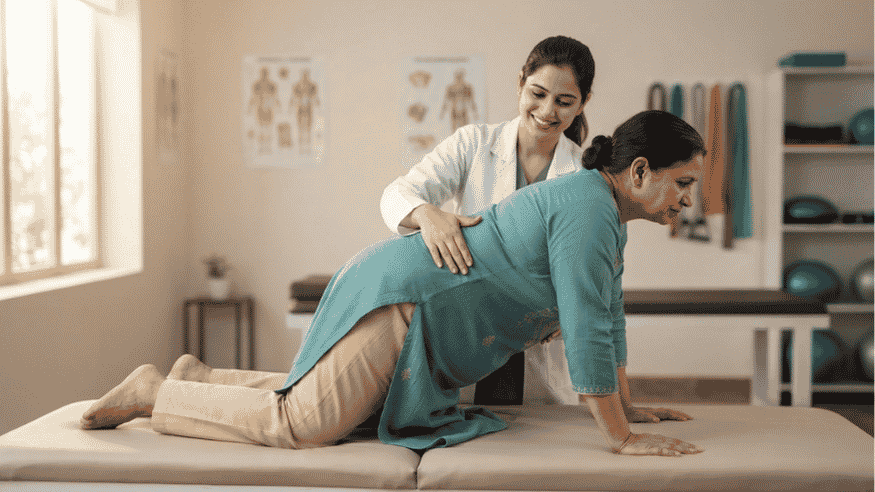
Back pain is one of the most common physical complaints reported by people of all ages. Whether it starts as a dull, lingering ache after a long day at work or a sharp, sudden twinge when lifting a heavy object, back pain can severely disrupt your daily life. For many residents dealing with chronic or acute spinal discomfort, the immediate fear is that surgery might be the only solution. However, surgical intervention is rarely the first line of defense. In most cases, targeted, non-invasive care can resolve the root cause of the discomfort.
If you are experiencing persistent spinal discomfort and looking for effective solutions closer to home, seeking specialized care through professional physiotherapy in Ajmer offers a safe, structured path toward long-term recovery without going under the knife.
Understanding the Roots of Back Pain
Before exploring how physical rehabilitation helps, it is vital to understand why back pain occurs in the first place. The human spine is an intricate, highly resilient structure composed of vertebrae, discs, ligaments, muscles, and nerves. Because it supports the entire upper body while allowing for complex movements, it is vulnerable to various forms of strain and degeneration.
Common triggers for back pain include:
- Muscle or Ligament Strain: Sudden awkward movements or heavy lifting can stretch or tear back muscles and spinal ligaments.
- Bulging or Herniated Discs: The soft cushions between your vertebrae can rupture or bulge, pressing against surrounding nerves and causing sharp, radiating pain.
- Poor Posture: Hours spent slouched over office desks, driving, or looking down at smartphones place unnatural, chronic stress on the lower lumbar region.
- Spinal Degeneration and Arthritis: Wear and tear over time can lead to osteoarthritis of the spine or spinal stenosis, narrowing the space around the spinal cord.
When pain strikes, many people instinctively reach for over-the-counter painkillers. While medications can temporarily mask symptoms or reduce acute inflammation, they do nothing to correct the mechanical imbalances or weak stabilizing muscles that caused the pain in the first place. This is where physical rehabilitation steps in as a superior, sustainable solution.
Why Physiotherapy is Often Better Than Surgery or Medication
Surgical options for back pain carry inherent risks, require extended recovery periods, and are generally reserved for severe structural damage or progressive neurological deficits. Similarly, relying long-term on pain-relief medications can lead to unwanted side effects and merely hides warning signals that your body is sending.
Physiotherapy tackles the root cause rather than just treating the surface symptoms. A structured program helps by:
- Restoring Natural Mobility: Gentle stretching and manual therapy techniques release tight muscles and stiffness in the spinal joints.
- Strengthening Core Stabilizers: Weak abdominal and back muscles fail to support the spine properly. Targeted exercises build endurance in these deep stabilizing muscle groups.
- Correcting Biomechanical Faults: Therapists analyze how you walk, sit, and lift, helping you unlearn habits that contribute to repetitive strain.
- Promoting Natural Healing: Specialized modalities enhance local blood circulation, accelerating tissue repair and reducing inflammation without pharmaceutical dependence.
What to Expect During a Physiotherapy Evaluation
When you visit a dedicated clinic for treatment, your recovery journey begins with a comprehensive medical evaluation. A skilled practitioner will not just look at where it hurts; they will assess your entire kinetic chain.
The evaluation typically involves:
- Detailed Medical History: Reviewing when the pain started, what makes it worse, and your daily lifestyle demands.
- Postural and Gait Analysis: Observing how you stand, walk, and align your spine.
- Range of Motion and Strength Testing: Checking how far you can bend, twist, or extend without discomfort.
- Neurological Screening: Ensuring there is no nerve root compression requiring urgent surgical evaluation.
Based on this assessment, a customized rehabilitation plan is designed specifically for your body, ensuring safe, progressive recovery.
Core Techniques Used in Non-Invasive Back Pain Management
Modern physiotherapy utilizes a diverse range of evidence-based techniques to alleviate pain and restore function. Depending on whether your back pain is acute (sudden injury) or chronic (long-standing), your therapist may incorporate several approaches:
1. Manual Therapy and Joint Mobilizations
Hands-on techniques play a crucial role in relieving acute muscle spasms and joint stiffness. Therapists use precise pressure and gentle rhythmic movements to mobilize locked spinal joints, improve tissue flexibility, and reduce local nerve irritation.
2. Targeted Therapeutic Exercise Programs
Exercise is medicine when it comes to the spine. Your program will progress through distinct phases:
- Pain-Relieving Movements: Gentle, directional movements that centralize radiating pain.
- Flexibility and Stretching: Lengthening tight hamstrings, hip flexors, and lower back muscles that pull the pelvis out of alignment.
- Core and Spinal Stabilization: Building endurance in the transverse abdominis, multifidus, and gluteal muscles to create a natural “corset” of support around your spine.
3. Postural Education and Ergonomic Training
A massive percentage of back pain stems from daily habits. Your physiotherapist will coach you on proper ergonomics for sitting at a desk, lifting objects safely, and maintaining neutral spinal alignment during daily chores.
4. Advanced Modalities
To manage acute flare-ups, clinics utilize supportive modalities such as therapeutic ultrasound, electrical stimulation (like TENS), or heat and cold therapy to modulate pain signals and relax deep muscle spasms.
Preventing Future Back Pain Episodes
Healing your back is only half the battle; keeping it healthy requires long-term lifestyle mindfulness. Once your active rehabilitation concludes, maintaining a pain-free back involves simple daily practices:
- Stay Active: Sedentary lifestyles weaken spinal structures. Low-impact aerobic activities like walking, swimming, or cycling keep the back nourished and strong.
- Mind Your Posture: Set up your workstation ergonomically. Keep your computer monitor at eye level, use a supportive chair, and take frequent standing breaks.
- Lift with Care: Always bend at your knees and hips—not your waist—when picking up heavy items, keeping the load close to your body.
- Maintain a Healthy Weight: Excess body weight places continuous gravitational stress on the lumbar spine and pelvis.
Comprehensive Care for Better Spinal Health
Navigating back pain can feel overwhelming, but you do not have to manage it alone. Accessing multidisciplinary support ensures that whether you need conservative pain management or advanced medical evaluation, your health is guided by experienced professionals. To explore specialized medical services and wellness programs, you can always visit the main portal at Kshetrapal Hospital for detailed information on various health packages and expert doctors.
When specialized movement therapy and physical rehabilitation are required to regain your mobility, professional oversight makes all the difference. For localized, expert-led recovery programs tailored to orthopedic and spinal conditions, patients can consult the dedicated specialists at the Department of Physiotherapy in Ajmer.
Conclusion
Back pain does not have to dictate the terms of your life, nor does it automatically mean you require invasive surgery. By choosing a proactive, non-surgical route centered around clinical rehabilitation, you can heal damaged tissues, build lasting core strength, and return to the active lifestyle you love. Listening to your body, seeking professional guidance early, and committing to proper movement mechanics are the ultimate keys to a strong, pain-free spine.