

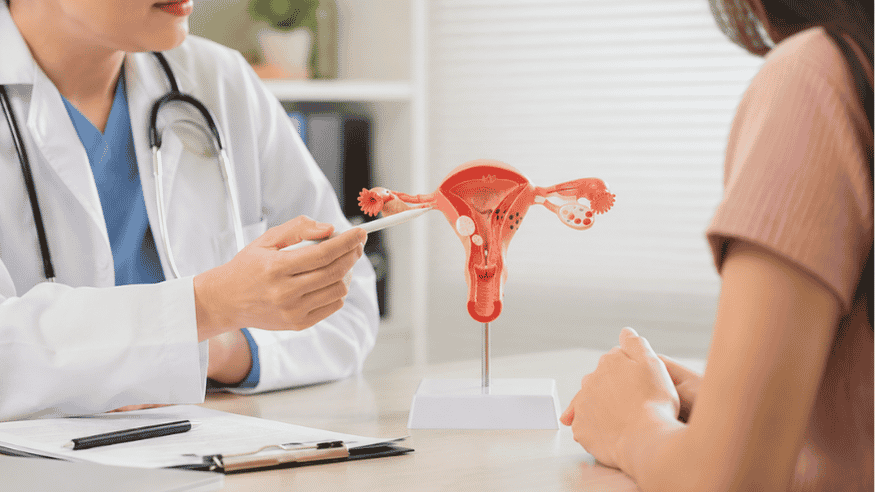
An ectopic pregnancy is a medical emergency that every woman of reproductive age should understand, yet it is often surrounded by confusion and fear. When a woman receives a positive pregnancy test, her mind naturally wanders to thoughts of prenatal vitamins, nursery setups, and the future. However, in rare instances, the journey of pregnancy takes a dangerous detour before it even truly begins. Recognizing what this condition is, why it happens, and how to spot its earliest indicators can quite literally save a life.
Because the initial weeks of an ectopic pregnancy often mimic a normal, healthy pregnancy, identifying the subtle warning signs early requires vigilance. This guide breaks down the medical reality of the condition in simple, compassionate terms, ensuring you know exactly what to look for and when to seek urgent medical care.
What is an Ectopic Pregnancy?
To understand an ectopic pregnancy, it helps to first look at how a typical pregnancy begins. Normally, a sperm fertilizes an egg in the fallopian tube, and this fertilized egg then travels down into the uterus, where it implants itself into the uterine lining to grow and develop over the next nine months. An ectopic pregnancy occurs when the fertilized egg implants itself somewhere outside the main cavity of the uterus.
In the vast majority of cases—over 90 percent—this implantation happens inside one of the fallopian tubes, which is why it is frequently referred to as a “tubal pregnancy.” Less commonly, implantation can occur in the ovary, the abdominal cavity, or the cervix. The critical issue is that none of these alternative locations have the tissue strength or space to support a growing embryo. As the pregnancy continues to develop, it stretches and eventually ruptures the surrounding structure, leading to severe internal bleeding and life-threatening complications if left untreated.
Common Causes and Risk Factors
While an ectopic pregnancy can happen to anyone, certain underlying factors can increase the likelihood of its occurrence. The primary mechanism behind the condition is anything that slows down or blocks the fertilized egg’s journey from the fallopian tube down to the uterus. Understanding these risk factors can help you and your gynecologist assess your personal health profile.
Previous infections in the pelvic region are among the most common culprits. Conditions like Pelvic Inflammatory Disease (PID), often resulting from untreated bacterial infections, can cause scarring and narrowing of the fallopian tubes. Other contributing risk factors include:
- A history of previous ectopic pregnancies, which raises the probability of recurrence.
- Prior pelvic or abdominal surgeries, including tubal ligation or surgeries on the tubes themselves.
- Certain fertility treatments or assisted reproductive technologies like IVF.
- Smoking, which can negatively impact the motility and function of the fallopian tubes.
- Endometriosis, a condition where tissue similar to the lining of the uterus grows outside of it, causing local inflammation and scarring.
Early Signs and Symptoms
In the very beginning, an ectopic pregnancy may feel completely normal. You might miss your period, experience breast tenderness, feel nauseous, and even see a positive result on a home pregnancy test. However, as the embryo grows in an improper location, distinct warning signs begin to emerge. Paying close attention to how your body feels during the first trimester is vital.
The earliest indicators often involve mild pelvic cramping and abnormal vaginal bleeding. Unlike the normal spotting that can occasionally occur during early implantation in a healthy uterine pregnancy, ectopic bleeding is often darker, watery, or irregular. It may start and stop, accompanied by a dull, persistent ache in the lower abdomen or pelvis.
Critical Warning Signs You Should Never Ignore
As the condition progresses without medical intervention, the symptoms shift from mild discomfort to severe, acute distress. Recognizing these red flags requires immediate emergency action. One of the classic indicators is sharp, stabbing pain localized to one side of the abdomen or pelvis. This pain can suddenly intensify with movement, straining, or coughing.
Another critical warning sign is dizziness, lightheadedness, or fainting. These symptoms occur because internal bleeding from a stretched or ruptured fallopian tube causes a sudden drop in blood pressure. Some women also experience pain that radiates upward into the shoulder, a strange but medically significant symptom caused by internal blood irritating the diaphragm. If you experience severe one-sided pelvic pain combined with fainting or heavy bleeding, it demands an immediate trip to the nearest emergency room.
How is an Ectopic Pregnancy Diagnosed?
When a patient presents with symptoms suggestive of an abnormal pregnancy, physicians rely on a combination of advanced diagnostic tools to confirm the diagnosis quickly and accurately. The process typically begins with a thorough medical history and a physical pelvic examination to check for tenderness or masses in the adnexal region near the tubes and ovaries.
Doctors will then perform a quantitative blood test to measure the levels of human chorionic gonadotropin (hCG), the primary pregnancy hormone. In a healthy intrauterine pregnancy, hCG levels typically double every 48 to 72 hours in the early weeks. If these levels rise much more slowly or plateau, it strongly suggests an abnormal pregnancy.
Following the blood work, a transvaginal ultrasound is performed. This specialized imaging allows the physician to look directly inside the pelvic cavity. If the uterus is empty despite a positive hCG blood test, and a mass or sac is visualized outside the uterine cavity, a definitive diagnosis of an ectopic pregnancy is established. For comprehensive evaluations and specialized women’s health services, patients often rely on expert care provided at our dedicated Obstetrics & Gynaecology Department.
Treatment Options
Once an ectopic pregnancy is diagnosed, immediate medical management is necessary to protect the patient’s health and preserve future fertility. Because an ectopic pregnancy can never result in a live birth, the primary goal of treatment is to safely remove the abnormal tissue before a rupture occurs. The choice of treatment depends heavily on how early the condition is caught, the size of the mass, and the patient’s overall stability.
When caught very early and before any rupture happens, treatment can often be managed medically using a prescription medication called methotrexate. This medication stops cell growth and allows the body to safely absorb the pregnancy tissue over several weeks, avoiding surgery entirely. Patients undergoing medical management require close follow-up blood tests to ensure hCG levels drop successfully to zero.
If the pregnancy is more advanced, or if there is already evidence of a rupture or severe bleeding, laparoscopic surgery is required. Procedures such as a salpingostomy (removing the pregnancy while leaving the fallopian tube intact) or a salpingectomy (removing the affected fallopian tube entirely) are performed under general anesthesia. Modern surgical techniques ensure faster recovery times and minimal scarring, prioritizing the patient’s long-term physical well-being.
Recovery and Emotional Healing
The journey after treatment for an ectopic pregnancy extends far beyond the physical healing process. While the body typically recovers within a few weeks following medication or minimally invasive surgery, the emotional toll can be profound. Experiencing an ectopic pregnancy involves grief, shock, and anxiety about future family planning, and acknowledging these feelings is an essential part of healing.
Physically, your healthcare team will monitor your hormone levels down to zero and provide clear guidance on when it is safe to resume normal activities, exercise, and sexual intercourse. Most women are advised to wait at least one to three menstrual cycles before attempting to conceive again, giving the reproductive tissue adequate time to heal completely.
Having one ectopic pregnancy does not mean you cannot have a healthy baby in the future. Many women go on to have successful, normal intrauterine pregnancies afterward. Open communication with your gynecologist ensures that any future pregnancies are monitored closely from the very first week, providing peace of mind and proactive medical support every step of the way.