

Thyroid cancer is one of the fastest-growing cancer diagnoses worldwide, primarily due to improved screening and diagnostic techniques. While hearing the word “cancer” can be frightening, thyroid cancer is often highly treatable when detected early.
Many people diagnosed with thyroid cancer experience few or no symptoms in the early stages. In some cases, the condition is discovered during routine health checkups or imaging tests performed for unrelated reasons.
Understanding the symptoms, risk factors, diagnostic process, and treatment options can help patients seek timely medical attention and make informed healthcare decisions.
What Is Thyroid Cancer?
It occurs when abnormal cells develop and grow uncontrollably within the thyroid gland.
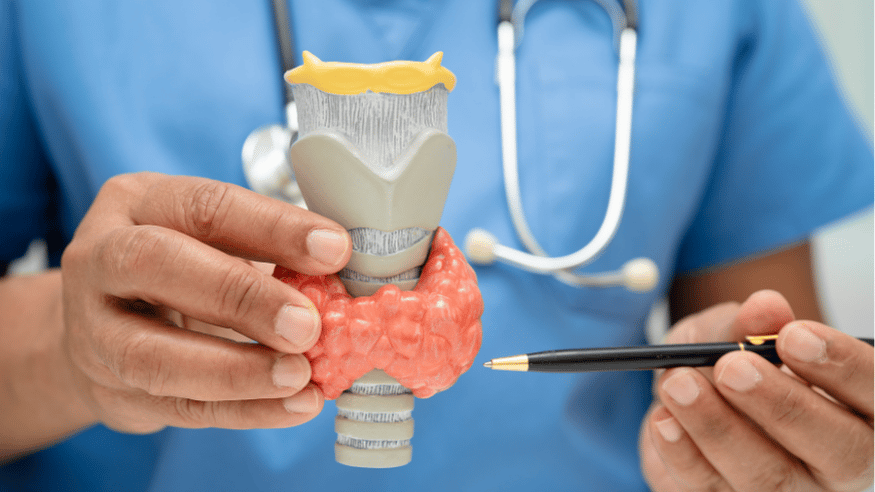
The thyroid is a butterfly-shaped gland located at the front of the neck. It produces hormones that regulate:
- Metabolism
- Heart rate
- Body temperature
- Energy levels
- Growth and development
When cancer develops in the thyroid gland, abnormal cells can form tumors and may eventually spread to nearby lymph nodes or other organs if left untreated.
Types of Thyroid Cancer
Understanding the type of thyroid cancer is important because treatment and prognosis can vary.
Papillary Thyroid Cancer
It is the most common type, accounting for approximately 80% of cases.
Characteristics include:
- Slow-growing
- Often detected early
- High treatment success rates
- Common in younger adults and women
Follicular Thyroid Cancer
This type develops from follicular thyroid cells and may spread through the bloodstream.
Medullary Thyroid Cancer
It develops from specialized thyroid cells called C cells.
It may be associated with inherited genetic conditions in some families.
Anaplastic Thyroid Cancer
This is a rare but aggressive form of thyroid cancer.
Although uncommon, it requires immediate medical attention and specialized treatment.
Symptoms of Thyroid Cancer
One of the challenges is that many patients have no symptoms initially.
As the condition progresses, symptoms may include:
A Lump or Swelling in the Neck
A painless lump in the front of the neck is one of the most common signs of thyroid cancer.
Patients may notice:
- A visible swelling
- Enlargement of an existing thyroid nodule
- A rapidly growing neck mass
Any persistent neck lump should be evaluated by a healthcare professional.
Hoarseness or Voice Changes
Because the thyroid gland is located near the vocal cords, a growing tumor may affect the nerves controlling the voice.
Symptoms may include:
- Persistent hoarseness
- Changes in voice quality
- Difficulty speaking clearly
Difficulty Swallowing
Some patients experience a sensation that food is getting stuck in the throat.
Large thyroid tumors may press against the esophagus, making swallowing uncomfortable.
Difficulty Breathing
In advanced cases, a thyroid tumor may compress nearby airways, causing:
- Shortness of breath
- Noisy breathing
- A feeling of pressure in the neck
Persistent Neck Pain
Pain may occur in:
- The front of the neck
- Jaw
- Ears
Although pain is less common than a neck lump, it should not be ignored.
Enlarged Lymph Nodes
Cancer cells may spread to nearby lymph nodes, causing swelling in the neck.
Persistent enlarged lymph nodes warrant medical evaluation.
Causes and Risk Factors of Thyroid Cancer
The exact cause of thyroid cancer is not always known. However, several factors may increase risk.
Exposure to Radiation
People exposed to radiation therapy involving the head or neck during childhood may have a higher risk.
Family History
Certain inherited genetic mutations can increase susceptibility to thyroid cancer.
A family history of:
- Thyroid cancer
- Multiple endocrine neoplasia (MEN)
- Medullary thyroid cancer
may increase risk.
Female Gender
Women are diagnosed with thyroid cancer more frequently than men.
Age
Although thyroid cancer can occur at any age, it is commonly diagnosed between 30 and 60 years.
Thyroid Conditions
Some thyroid disorders may increase the likelihood of developing thyroid nodules that require evaluation.
Are All Thyroid Nodules Cancerous?
No.
This is one of the most important facts patients should understand.
Thyroid nodules are extremely common, especially among adults.
Most thyroid nodules are:
- Benign
- Non-cancerous
- Slow-growing
However, a small percentage may be cancerous, which is why proper evaluation is essential.
How Is Thyroid Cancer Diagnosed?
Doctors use several diagnostic tools to confirm thyroid cancer.
Physical Examination
The physician examines the neck for:
- Thyroid enlargement
- Nodules
- Swollen lymph nodes
Thyroid Ultrasound
Ultrasound helps assess:
- Size of nodules
- Shape
- Internal characteristics
- Presence of suspicious features
Fine Needle Aspiration (FNA) Biopsy
A biopsy is often the most important test for diagnosing thyroid cancer.
During the procedure:
- A thin needle removes cells from the thyroid nodule
- Samples are analyzed in a laboratory
- Pathologists determine whether cancer cells are present
Blood Tests
Blood tests may evaluate thyroid hormone levels and other markers.
CT, MRI, or PET Scans
Additional imaging may be recommended to assess the extent of disease.
Understanding Thyroid Cancer Staging
After diagnosis, doctors determine the stage of the cancer.
Staging helps evaluate:
- Tumor size
- Lymph node involvement
- Spread to other organs
The stage influences treatment planning and prognosis.
Treatment Options for Thyroid Cancer
Treatment depends on:
- Cancer type
- Stage
- Patient age
- Overall health
Surgery
Surgery is the primary treatment for most thyroid cancers.
Procedures may include:
Thyroid Lobectomy
Removal of one side of the thyroid gland.
Total Thyroidectomy
Removal of the entire thyroid gland.
Radioactive Iodine Therapy
Radioactive iodine treatment may be recommended after surgery for certain thyroid cancers.
It helps destroy remaining thyroid tissue and microscopic cancer cells.
Thyroid Hormone Therapy
Patients who undergo thyroid removal often require lifelong hormone replacement medication.
External Radiation Therapy
Radiation may be used in selected cases where surgery alone is insufficient.
Targeted Therapy
Advanced thyroid cancers may benefit from targeted treatments designed to attack specific cancer cells.
Can Thyroid Cancer Be Cured?
Many forms of thyroid cancer have excellent outcomes when detected early.
Factors influencing prognosis include:
- Cancer type
- Stage at diagnosis
- Response to treatment
- Overall health
Papillary thyroid cancer, the most common type, often has very favorable long-term survival rates when appropriately treated.
Life After Thyroid Cancer Treatment
Many patients lead healthy and productive lives following treatment.
Long-term follow-up may include:
- Regular checkups
- Blood tests
- Ultrasound examinations
- Thyroid hormone monitoring
Ongoing surveillance helps detect recurrence early if it occurs.
When Should You See a Doctor?
Schedule an evaluation if you notice:
- A lump in the neck
- Persistent hoarseness
- Difficulty swallowing
- Enlarged lymph nodes
- Neck swelling that continues to grow
Prompt evaluation can lead to earlier diagnosis and more treatment options.
Conclusion
Thyroid cancer is often highly treatable, especially when diagnosed in its early stages. While many thyroid nodules are benign, persistent neck lumps, voice changes, swallowing difficulties, and enlarged lymph nodes should never be ignored.
Understanding the symptoms, risk factors, diagnostic process, and treatment options empowers patients to seek timely medical care. Early detection remains one of the most important factors in achieving positive outcomes and preserving long-term health.
For patients seeking expert evaluation, diagnosis, and treatment, consulting a trusted cancer hospital Ajmer can provide access to advanced diagnostic services and specialized oncology care.