

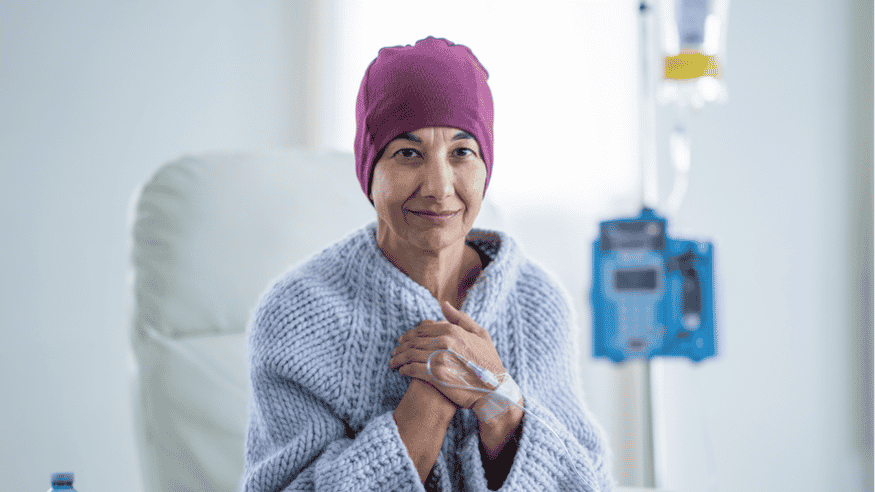
Receiving a cancer diagnosis can be overwhelming, and one of the first treatment options many patients hear about is chemotherapy. While the word itself may sound intimidating, understanding the process can help reduce anxiety and prepare patients and their families for the journey ahead.
Understanding Chemotherapy is important because it helps patients know what to expect before, during, and after treatment. With the right information and support, individuals can approach treatment with greater confidence and clarity.
What Is Chemotherapy?
Chemotherapy is a cancer treatment that uses powerful medicines to destroy cancer cells or stop them from growing and spreading. These medications travel through the bloodstream and can reach cancer cells throughout the body, making chemotherapy effective for treating many types of cancer.
Depending on the type and stage of cancer, chemotherapy may be used:
- Before surgery to shrink a tumor
- After surgery to eliminate remaining cancer cells
- Alongside radiation therapy
- As the primary treatment for certain cancers
- To help manage symptoms in advanced stages of cancer
Every treatment plan is personalized based on the patient’s condition, overall health, and treatment goals.
Why Do Patients Need Chemotherapy?
Cancer cells grow and divide much faster than normal cells. Chemotherapy works by targeting these rapidly growing cells and preventing them from multiplying.
Doctors may recommend chemotherapy to:
- Reduce the size of tumors
- Prevent cancer recurrence
- Slow cancer progression
- Improve treatment outcomes
- Relieve symptoms caused by cancer
The decision to use chemotherapy is based on a detailed evaluation by oncology specialists who consider several factors, including cancer type, stage, and the patient’s overall health.
Preparing for Chemotherapy
Before treatment begins, patients typically undergo various medical evaluations. These may include blood tests, imaging scans, and consultations with oncology specialists.
Preparation often involves:
- Understanding the treatment schedule
- Discussing potential side effects
- Reviewing current medications
- Planning transportation and support during treatment
- Maintaining a balanced diet and adequate hydration
Many patients find it helpful to bring a family member or caregiver to appointments to help remember important information and provide emotional support.
What Happens During a Chemotherapy Session?
The chemotherapy process varies depending on the treatment plan. Some medications are administered through intravenous infusion, while others may be given orally.
A typical chemotherapy session may involve:
- Registration and pre-treatment assessment
- Blood tests if required
- Review by the oncology team
- Administration of chemotherapy drugs
- Observation and monitoring
- Post-treatment instructions
The duration of treatment can range from a few hours to an entire day, depending on the medications being administered.
Patients receiving Chemotherapy in Ajmer should always follow their oncologist’s instructions regarding medication schedules, hydration, nutrition, and follow-up appointments.
How Many Chemotherapy Cycles Are Required?
Chemotherapy is usually delivered in cycles. A cycle includes a treatment period followed by a recovery period that allows the body to regain strength.
The number of cycles depends on:
- Type of cancer
- Stage of disease
- Treatment response
- Overall health condition
- Specific treatment goals
Some patients may require only a few cycles, while others may continue treatment for several months.
Common Side Effects of Chemotherapy
One of the most common concerns patients have is the possibility of side effects. While chemotherapy affects cancer cells, it can also impact certain healthy cells, leading to temporary side effects.
Common side effects may include:
- Fatigue
- Nausea and vomiting
- Hair loss
- Loss of appetite
- Mouth sores
- Increased risk of infections
- Changes in taste
- Constipation or diarrhea
It is important to remember that not every patient experiences all side effects. The severity and duration vary depending on the medications used and individual responses to treatment.
Managing Chemotherapy Side Effects
Modern cancer care has significantly improved the management of chemotherapy-related side effects. Various supportive treatments and medications are available to help patients remain comfortable during therapy.
Helpful strategies include:
Staying Hydrated
Drinking sufficient fluids helps maintain energy levels and supports the body during treatment.
Eating Nutritious Foods
A balanced diet rich in proteins, fruits, vegetables, and whole grains can support recovery and improve overall well-being.
Getting Adequate Rest
Fatigue is common during chemotherapy. Patients should prioritize rest and avoid overexertion.
Preventing Infections
Good hygiene practices and avoiding exposure to illness can help reduce infection risks when immunity is temporarily lowered.
Communicating with Healthcare Providers
Patients should promptly report any new symptoms or concerns to their healthcare team for timely management.
Emotional Impact of Chemotherapy
Cancer treatment affects not only physical health but also emotional well-being. Patients may experience feelings of anxiety, fear, frustration, or uncertainty throughout treatment.
Emotional support can come from:
- Family members
- Friends
- Support groups
- Counselors
- Oncology care teams
Open communication and access to support resources can make a significant difference during the treatment journey.
Can Patients Continue Normal Activities?
Many individuals continue to work, study, or participate in daily activities while undergoing chemotherapy. However, energy levels may fluctuate depending on the treatment schedule and side effects.
Patients are encouraged to:
- Listen to their bodies
- Rest when needed
- Stay physically active within comfortable limits
- Maintain regular communication with healthcare providers
The ability to continue normal routines varies from person to person.
Monitoring Progress During Treatment
Throughout chemotherapy, doctors regularly monitor the patient’s response through:
- Physical examinations
- Blood tests
- Imaging studies
- Symptom evaluation
These assessments help determine whether the treatment is working effectively and whether any adjustments are needed.
Patients receiving care at a trusted Cancer Hospital Ajmer can benefit from coordinated treatment planning, regular monitoring, and access to specialized cancer care services.
Life After Chemotherapy
Completing chemotherapy is a major milestone, but ongoing follow-up care remains important. Regular medical visits help monitor recovery, detect any recurrence early, and address long-term health concerns.
After treatment, patients may be advised to:
- Continue routine follow-up appointments
- Maintain healthy lifestyle habits
- Stay physically active
- Follow recommended screening schedules
- Report new symptoms promptly
Recovery timelines vary depending on the individual and the type of cancer treated.
Frequently Asked Questions About Chemotherapy
Does chemotherapy always cause hair loss?
No. Hair loss depends on the specific medications used. Some chemotherapy drugs cause hair thinning or loss, while others may not affect hair at all.
Is chemotherapy painful?
The chemotherapy medicines themselves are generally not painful, although patients may experience discomfort from intravenous access or certain side effects.
Can chemotherapy cure cancer?
In some cases, chemotherapy can eliminate cancer completely. In others, it may help control the disease, reduce symptoms, or improve quality of life.
Can patients eat normally during chemotherapy?
Most patients can continue eating regular meals, although dietary adjustments may be recommended depending on treatment-related side effects.
Conclusion
Understanding chemotherapy helps patients prepare mentally, emotionally, and physically for cancer treatment. While every patient’s experience is unique, knowing what to expect can reduce fear and promote better treatment outcomes.
Advances in oncology care have made chemotherapy safer, more effective, and more manageable than ever before. With the support of experienced healthcare professionals, proper monitoring, and a strong support system, patients can navigate their treatment journey with confidence and hope.