

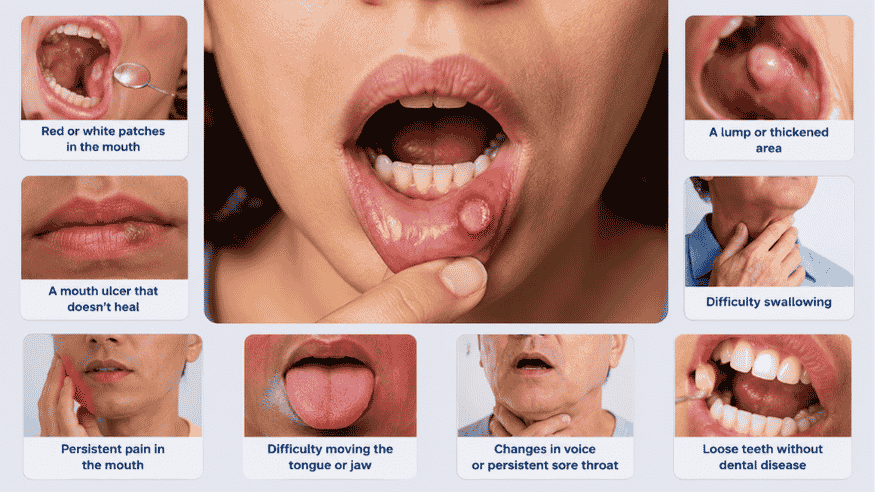
Mouth cancer is one of the most common cancers in India, yet many people fail to recognize its early warning signs. Because symptoms can often resemble minor dental problems or common mouth ulcers, diagnosis is sometimes delayed until the disease has progressed.
The good news is that when detected early, mouth cancer can often be treated more effectively. Understanding the warning signs and seeking medical attention promptly can make a significant difference in treatment outcomes.
In this guide, we’ll discuss the most important symptoms of mouth cancer, risk factors, when to see a doctor, and why early diagnosis matters.
What Is Mouth Cancer?
Mouth cancer, also known as oral cancer, refers to cancer that develops in any part of the oral cavity, including:
- Lips
- Tongue
- Gums
- Inner cheeks
- Roof of the mouth
- Floor of the mouth beneath the tongue
Oral cancer occurs when cells in these areas begin to grow abnormally and uncontrollably. If left untreated, the cancer may spread to nearby tissues, lymph nodes, and other parts of the body.
Why Early Detection Matters
Like many cancers, mouth cancer is often easier to manage when identified in its early stages. Unfortunately, many individuals ignore symptoms because they appear harmless initially.
Regular dental checkups, self-examinations, and awareness of warning signs can help detect abnormalities before they become more serious.
Common Warning Signs of Mouth Cancer
A Mouth Ulcer That Doesn’t Heal
One of the most common signs of oral cancer is a sore or ulcer that does not heal within two weeks.
Unlike regular mouth ulcers that typically disappear on their own, cancer-related sores may:
- Persist for several weeks
- Become larger over time
- Bleed occasionally
- Cause discomfort while eating or speaking
Any persistent ulcer should be evaluated by a healthcare professional.
Red or White Patches Inside the Mouth
Unusual patches in the mouth can sometimes indicate precancerous changes.
These may appear as:
- White patches (Leukoplakia)
- Red patches (Erythroplakia)
- Mixed red-and-white patches
While not every patch is cancerous, persistent discoloration should never be ignored.
Persistent Pain in the Mouth
Ongoing pain or tenderness in the mouth without an obvious cause may require medical attention.
You should be concerned if the pain:
- Lasts for several weeks
- Worsens over time
- Interferes with eating or drinking
- Does not improve with routine treatment
A Lump or Thickened Area
A lump, swelling, or thickened area in the mouth, cheek, or neck can be a warning sign.
These growths may feel:
- Firm to the touch
- Painless initially
- Enlarged over time
Any unexplained lump should be examined by a doctor promptly.
Difficulty Swallowing
Trouble swallowing, also known as dysphagia, may occur when a tumor affects structures involved in swallowing.
Symptoms can include:
- Feeling that food gets stuck
- Pain while swallowing
- Difficulty eating solid foods
- Frequent choking sensations
Persistent swallowing difficulties should not be ignored.
Difficulty Moving the Tongue or Jaw
As oral cancer progresses, it may affect movement of the tongue or jaw.
People may notice:
- Reduced tongue mobility
- Difficulty chewing
- Problems opening the mouth fully
- Jaw stiffness
These symptoms can significantly impact daily activities and warrant medical evaluation.
Persistent Sore Throat
Many people associate a sore throat with infections. However, a sore throat that does not improve despite treatment could indicate a more serious issue.
Seek medical advice if a sore throat:
- Lasts more than a few weeks
- Recurs frequently
- Occurs with other oral symptoms
Changes in Voice
Oral and throat cancers may affect speech and voice quality.
Watch for:
- Hoarseness
- Changes in speech clarity
- Persistent voice changes
If symptoms continue for more than two weeks, a professional assessment is recommended.
Loose Teeth Without Dental Disease
Unexpected loosening of teeth without obvious gum disease or injury may be associated with oral cancer affecting surrounding tissues and bone.
Dental evaluation is essential when teeth become loose for unexplained reasons.
Numbness in the Mouth or Lips
Some patients experience:
- Numbness in the tongue
- Loss of sensation in the lips
- Tingling in parts of the mouth
Persistent numbness should be investigated, particularly when combined with other symptoms.
Who Is at Higher Risk of Mouth Cancer?
Several factors can increase the risk of developing oral cancer.
Tobacco Use
Smoking cigarettes, bidis, cigars, or using smokeless tobacco products significantly increases the risk of oral cancer.
Alcohol Consumption
Heavy alcohol consumption is another major risk factor. The combination of tobacco and alcohol can further elevate risk.
HPV Infection
Certain strains of Human Papillomavirus (HPV) have been linked to cancers of the mouth and throat.
Excessive Sun Exposure
Frequent sun exposure can increase the risk of lip cancer.
Poor Oral Hygiene
Chronic irritation, poor dental health, and neglected oral hygiene may contribute to oral health complications.
Family History
Individuals with a family history of cancer may have an increased risk and should remain vigilant about screenings.
When Should You See a Doctor?
You should seek medical evaluation if any of the following symptoms persist for more than two weeks:
- Non-healing mouth ulcers
- Red or white patches
- Unexplained lumps
- Persistent pain
- Difficulty swallowing
- Voice changes
- Loose teeth
- Mouth numbness
Prompt diagnosis can help identify the cause and determine whether further testing is necessary.
How Is Mouth Cancer Diagnosed?
Doctors may use several methods to diagnose oral cancer, including:
Physical Examination
A thorough examination of the mouth, tongue, throat, and neck.
Biopsy
A biopsy involves collecting a small tissue sample for laboratory analysis and remains one of the most reliable diagnostic tools.
Imaging Tests
Depending on the situation, doctors may recommend:
- CT Scan
- MRI
- PET Scan
- Ultrasound
These tests help assess the extent of disease and guide treatment planning.
Treatment Options for Mouth Cancer
Treatment depends on the location, size, and stage of the cancer.
Common treatment options include:
Surgery
Removal of the cancerous tissue may be recommended in many cases.
Radiation Therapy
Radiation uses targeted energy beams to destroy cancer cells.
Chemotherapy
Chemotherapy may be used alone or alongside other treatments depending on the stage of cancer.
Targeted Therapy
Certain patients may benefit from targeted treatments designed to attack specific cancer cells.
Patients seeking comprehensive cancer treatment should consult an experienced cancer hospital Ajmer that offers multidisciplinary cancer care, advanced diagnostics, and personalized treatment planning.
Tips to Reduce Your Risk
You can help lower your risk of oral cancer by:
- Avoiding tobacco products
- Limiting alcohol consumption
- Maintaining good oral hygiene
- Scheduling regular dental checkups
- Eating a balanced diet rich in fruits and vegetables
- Seeking prompt evaluation of persistent oral symptoms
Conclusion
Mouth cancer often develops gradually, and its early symptoms can be easy to overlook. Persistent ulcers, unusual patches, unexplained lumps, swallowing difficulties, and changes in the mouth should never be ignored.
Early detection remains one of the most important factors in successful treatment. If you notice any warning signs lasting more than two weeks, seek medical attention promptly.
For patients looking for expert diagnosis, screening, and comprehensive treatment, Kshetrapal Hospital is committed to delivering advanced cancer care services. If you’re searching for a best cancer hospital Ajmer for timely evaluation and personalized treatment support, consulting a qualified oncology team can help ensure the right care at the right time.