

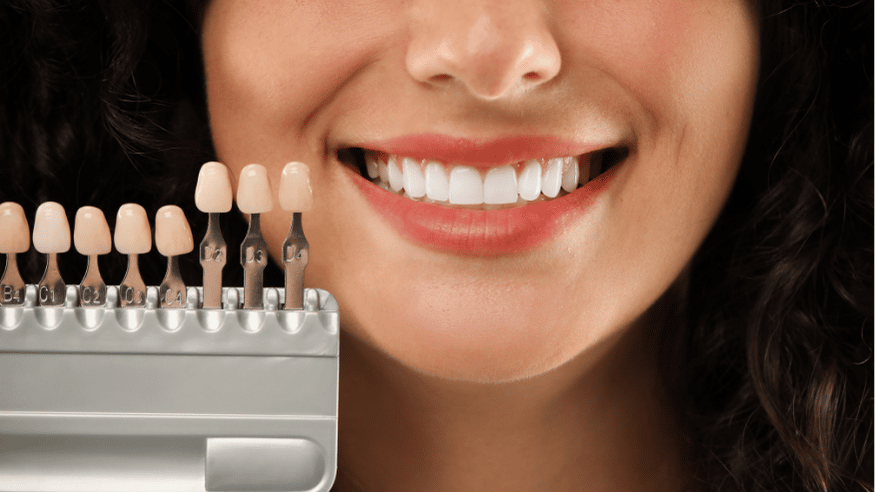
A bright, white smile is often associated with confidence, youth, and good hygiene. However, it is entirely normal for teeth to lose their natural brilliance over time. If you have noticed your smile looking a little dull or stained, you are certainly not alone. Understanding why teeth turn yellow is the first step toward reclaiming that vibrant smile you once had.
Teeth discoloration is a multifaceted issue that can be influenced by daily habits, lifestyle choices, and the natural aging process. For those experiencing significant staining or seeking expert guidance, consulting a specialized Department of Dentistry in Ajmer can provide you with professional insights and advanced care options tailored to your specific oral health needs.
The Science Behind Teeth Discoloration
To understand why teeth change color, we must look at their structure. A tooth consists of two main parts: the hard, white outer layer known as enamel, and the softer, yellowish core known as dentin.
Yellowing typically occurs due to one of two main factors:
- Extrinsic Staining: This affects the outer enamel layer and is usually caused by external substances like food, drink, and tobacco.
- Intrinsic Staining: This occurs deep within the tooth, affecting the dentin. As enamel thins with age, the naturally darker dentin layer underneath becomes more visible.
Common Causes of Yellow Teeth
Many of our daily routines contribute to the gradual yellowing of our teeth. Here are the most common culprits:
1. Dietary Choices
Certain foods and beverages contain intense pigments known as chromogens that attach to the white outer enamel of your teeth. Common offenders include:
- Coffee and Tea: These contain tannins, which cause deep, persistent stains.
- Red Wine and Dark Sodas: The acidity in these drinks can erode enamel, making it easier for pigments to penetrate the surface.
- Dark-Colored Foods: Items like soy sauce, balsamic vinegar, berries, and curries can leave a lasting impact over time.
2. Tobacco Use
Cigarettes, cigars, and chewing tobacco contain nicotine and tar, which are notorious for causing stubborn, brownish-yellow stains that are difficult to remove with regular brushing alone.
3. Aging
As we age, the outer layer of our enamel naturally thins due to wear and tear. This allows the yellowish dentin underneath to show through more clearly. Furthermore, decades of exposure to staining substances eventually take their toll on the tooth structure.
4. Poor Oral Hygiene
Inadequate brushing and flossing allow plaque and tartar to build up on the teeth. Plaque is naturally yellowish in color; if it is not removed regularly, it hardens into tartar, which can permanently dull the appearance of your smile.
5. Medication and Trauma
Certain antibiotics, high-blood pressure medications, and antihistamines can cause tooth discoloration as a side effect. Additionally, injury to a tooth—such as a fall or impact—can damage the pulp and cause the tooth to darken.
Effective Ways to Brighten Your Smile
While some causes of discoloration are natural, many are manageable. Here are effective strategies to help you maintain a brighter, healthier-looking smile.
Maintaining Daily Oral Hygiene
The most effective way to prevent extrinsic staining is to brush at least twice a day and floss daily. Consider using a whitening toothpaste, which contains mild abrasives that help remove surface stains. Remember to brush shortly after consuming coffee or dark foods to prevent pigments from setting.
Dietary Moderation
You do not have to give up your favorite foods, but moderation is key. Drinking staining beverages through a straw can minimize contact with your front teeth. Additionally, rinsing your mouth with water immediately after eating or drinking can help wash away pigments before they settle.
Professional Dental Care
For stubborn stains that do not respond to home care, professional intervention is highly effective. Modern dental clinics offer treatments that are significantly more powerful and safer than over-the-counter DIY kits.
If you are concerned about persistent discoloration, it is always best to speak with a professional. The experts at the Department of Dentistry in Ajmer can assess whether your staining is extrinsic or intrinsic and recommend the most effective, safe, and professional whitening treatments available to restore your smile’s brightness.
Avoiding Tobacco
Stopping the use of tobacco products not only prevents further staining of your enamel but also significantly lowers your risk of gum disease and other serious oral health complications.
Conclusion
A yellowing smile does not have to be a permanent fixture. By understanding the causes of discoloration—ranging from your favorite daily habits to the natural effects of aging—you can take informed steps toward brightening your teeth. Consistency in your daily oral hygiene routine, paired with professional care, is the key to maintaining a healthy and radiant smile for years to come.