

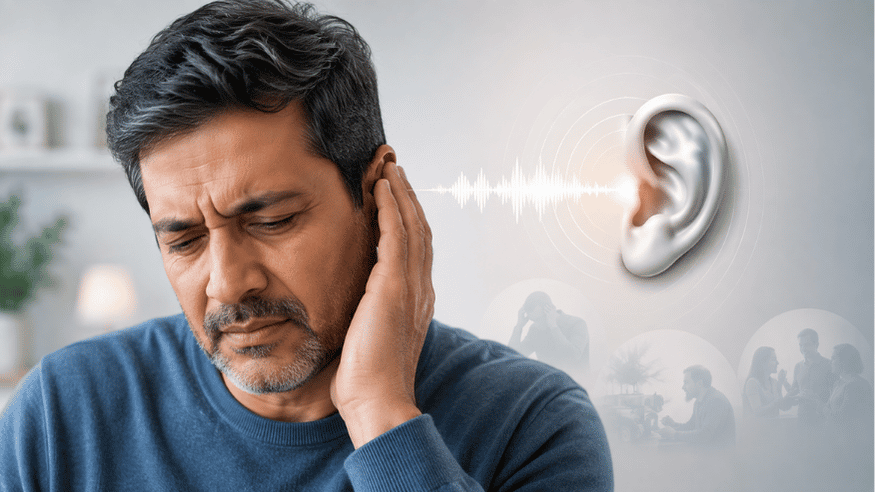
Hearing loss in adults can happen due to aging, prolonged exposure to loud noise, ear infections, earwax buildup, or certain medications, and it often develops so gradually that many people do not notice it until it starts affecting daily conversations. Recognizing the early signs and understanding the cause is important, since many types of hearing loss can be treated or managed effectively if caught early.
Hearing loss is often mistaken for a normal part of getting older, but it can affect adults of any age and, in many cases, is preventable or treatable. Knowing what causes it and when to seek help can make a real difference in preserving hearing and quality of life.
What Is Hearing Loss?
Hearing loss refers to a partial or complete inability to hear sounds in one or both ears. It can develop suddenly or gradually over months or years, and it can range from mild difficulty understanding speech in noisy environments to significant hearing impairment that affects daily communication.
Hearing loss is generally grouped into three types:
- Conductive hearing loss, caused by problems in the outer or middle ear that prevent sound from passing through properly, such as earwax buildup or fluid behind the eardrum
- Sensorineural hearing loss, caused by damage to the inner ear or the nerve pathways to the brain, often linked to aging or noise exposure
- Mixed hearing loss, which involves a combination of both conductive and sensorineural causes
Common Causes of Hearing Loss in Adults
Several factors can contribute to hearing loss in adults, and identifying the specific cause helps determine the right treatment approach:
- Age-related hearing loss, known as presbycusis, which gradually affects many people as they get older
- Exposure to loud noise, whether from a single loud event or repeated exposure over years, such as through work environments or personal listening habits
- Earwax buildup, which can block sound from reaching the eardrum and is one of the most common and easily treatable causes
- Ear infections, which can cause temporary or, in some cases, lasting hearing changes
- Certain medications, including some antibiotics and chemotherapy drugs, which can affect hearing as a side effect
- Chronic health conditions, such as diabetes and high blood pressure, which can affect blood flow to the inner ear
- Head injury, which can damage structures involved in hearing
- Family history, since some types of hearing loss have a genetic component
Early Signs of Hearing Loss You Shouldn’t Ignore
Hearing loss often develops slowly, which is why many adults do not realize how much their hearing has changed until it is pointed out by family or friends. Common early signs include:
- Frequently asking others to repeat themselves
- Turning up the television or phone volume louder than others prefer
- Difficulty following conversations in noisy places like restaurants or gatherings
- Feeling like people are mumbling rather than speaking clearly
- Struggling to hear on the phone
- Withdrawing from social situations due to difficulty following conversations
- Ringing, buzzing, or humming sounds in the ears, known as tinnitus
If you notice several of these signs, either in yourself or a loved one, it is worth getting a hearing evaluation rather than assuming it will improve on its own.
Is Hearing Loss Always Permanent?
Not all hearing loss is permanent. Conductive hearing loss, caused by things like earwax buildup, fluid, or infections, can often be treated and hearing restored. Sensorineural hearing loss, which involves damage to the inner ear or hearing nerve, is usually permanent, but it can often be effectively managed with hearing aids or other supportive devices.
This is why proper diagnosis matters so much. Identifying the type and cause of hearing loss determines whether it can be reversed, treated, or needs to be managed long term.
How Is Hearing Loss Diagnosed?
An ENT specialist typically begins with a physical examination of the ear and a discussion of symptoms and medical history, followed by specific hearing tests, which may include:
- Otoscopy, a simple examination to check the ear canal and eardrum for blockages, infections, or damage
- Pure tone audiometry, a hearing test that measures the softest sounds a person can hear at different pitches
- Speech audiometry, which checks how well a person can understand spoken words at various volumes
- Tympanometry, which measures how well the eardrum moves and helps detect fluid or pressure problems in the middle ear
These tests help determine the type and degree of hearing loss, which guides the treatment plan.
Treatment Options for Hearing Loss
Treatment depends on the underlying cause and type of hearing loss:
- Earwax removal, a simple and often immediately effective solution when buildup is the cause
- Medication or treatment for infections, which can resolve temporary hearing changes caused by ear infections
- Hearing aids, which amplify sound and are commonly used for age-related or noise-induced hearing loss
- Assistive listening devices, which can help in specific situations like phone calls or watching television
- Surgical treatment, in select cases where structural problems in the ear are contributing to hearing loss
Early treatment generally leads to better outcomes, particularly because the brain adapts to sound over time, and prolonged untreated hearing loss can make adjustment to hearing aids more difficult later on.
Can Hearing Loss Be Prevented?
While not all hearing loss can be prevented, especially age-related changes, several steps can help protect your hearing:
- Using ear protection in loud environments, such as at work or concerts
- Keeping the volume moderate when using headphones or earphones
- Avoiding inserting objects like cotton swabs into the ear canal, which can push wax deeper or cause injury
- Managing chronic conditions like diabetes and blood pressure, which can affect ear health
- Getting regular hearing checkups, especially after age 50 or if you work in a noisy environment
When Should You See a Doctor?
You should consult an ENT specialist if you experience:
- Sudden hearing loss in one or both ears, which needs prompt evaluation
- Gradual hearing difficulty that is affecting daily conversations
- Persistent ringing or buzzing sounds in the ears
- Ear pain, discharge, or a feeling of fullness in the ear
- Hearing loss following a head injury or loud noise exposure
Sudden hearing loss, in particular, should be treated as a medical concern requiring prompt attention, since early treatment can significantly improve the chances of recovery.
If you or a loved one is experiencing any of these symptoms, the Department of ENT at Kshetrapal Hospital in Ajmer provides complete hearing evaluation and treatment, helping patients understand the cause of their hearing loss and find the right solution.
Frequently Asked Questions
Is hearing loss a normal part of aging?
While hearing gradually declines for many people with age, it is not something that should simply be accepted without evaluation. Many age-related hearing changes can be effectively managed with the right treatment or hearing aids.
Can hearing loss be reversed?
It depends on the cause. Hearing loss due to earwax buildup, infections, or fluid is often reversible with treatment. Hearing loss due to inner ear or nerve damage is usually permanent but can be managed with hearing aids.
Is ringing in the ears always linked to hearing loss?
Not always, but tinnitus, or ringing in the ears, often occurs alongside hearing loss and should be evaluated by an ENT specialist, especially if it is persistent or affecting daily life.
How often should adults get their hearing checked?
Adults should generally have their hearing checked every few years, and annually after age 50 or if they are regularly exposed to loud noise at work or through other activities.
Are hearing aids the only treatment for hearing loss?
No, treatment depends on the cause. Some cases are resolved through earwax removal, medication, or treating an underlying infection, while hearing aids are typically used for permanent sensorineural hearing loss.