

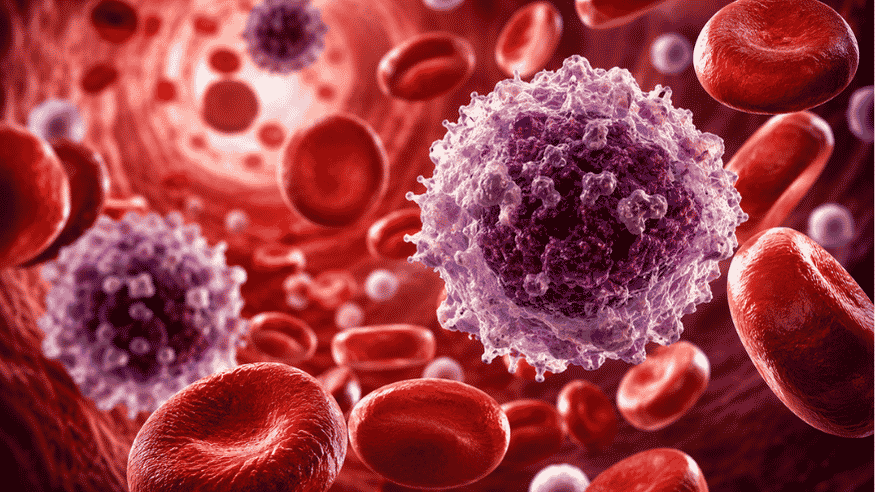
Blood cancer, commonly known as leukemia, is a cancer that begins in the bone marrow and affects the production of blood cells. Early signs often include persistent fatigue, frequent infections, unexplained bruising or bleeding, and swollen lymph nodes. Because these symptoms can resemble common illnesses, leukemia is often missed in its early stages, making awareness and timely blood testing essential.
Leukemia affects people of all ages, including children, and its symptoms can develop slowly over weeks or appear suddenly over a few days depending on the type. Understanding these warning signs can help patients and families seek medical attention before the disease progresses further.
What Is Leukemia?
Leukemia is a type of cancer that affects the blood and bone marrow, the spongy tissue inside bones where blood cells are produced. In leukemia, the bone marrow produces abnormal white blood cells that do not function properly and crowd out healthy red blood cells, white blood cells, and platelets. This disruption affects the body’s ability to fight infection, carry oxygen, and control bleeding.
Leukemia is broadly classified into four main types based on how quickly it progresses and which blood cells are affected:
- Acute Lymphoblastic Leukemia (ALL), which progresses quickly and is more common in children
- Acute Myeloid Leukemia (AML), which also progresses quickly and is more common in adults
- Chronic Lymphocytic Leukemia (CLL), which develops slowly and mainly affects older adults
- Chronic Myeloid Leukemia (CML), which develops slowly and is more common in adults
What Causes Leukemia?
The exact cause of leukemia is not always clear, but certain factors are known to increase risk:
- Exposure to high levels of radiation, including certain medical treatments
- Exposure to certain chemicals, such as benzene, found in some industrial settings
- Previous chemotherapy or radiation therapy for another cancer
- Genetic disorders, such as Down syndrome, which increase susceptibility
- Family history of leukemia, though most cases occur without a clear inherited link
- Smoking, which is linked to a higher risk of acute myeloid leukemia
- Certain blood disorders, such as myelodysplastic syndromes, which can progress to leukemia
Early Symptoms of Blood Cancer
Leukemia symptoms often develop gradually and can be mistaken for common infections or general fatigue. Recognizing these early signs is important:
- Persistent fatigue and weakness that does not improve with rest
- Frequent or recurring infections due to reduced immunity
- Unexplained fever or night sweats
- Easy bruising or unusual bleeding, including frequent nosebleeds or bleeding gums
- Tiny red spots on the skin, known as petechiae
- Swollen lymph nodes, particularly in the neck, underarms, or groin
- Bone or joint pain, especially in the legs
- Unexplained weight loss
- Pale skin due to low red blood cell count
- Frequent headaches or dizziness
Anyone experiencing several of these symptoms together, particularly persistent fatigue combined with frequent infections or unusual bleeding, should consult a doctor for a complete blood count test without delay.
How Is Leukemia Diagnosed?
Diagnosis typically begins with a physical examination and blood tests, followed by more specific procedures if abnormalities are found:
- Complete Blood Count (CBC), which checks the levels of red blood cells, white blood cells, and platelets
- Peripheral blood smear, which examines blood cells under a microscope for abnormalities
- Bone marrow aspiration and biopsy, which confirms the diagnosis by examining bone marrow tissue directly
- Cytogenetic testing, which looks for specific chromosome changes linked to certain types of leukemia
- Imaging tests, such as CT scans, to check whether the disease has spread to other organs
A bone marrow biopsy is usually the most definitive test, as it allows doctors to confirm the exact type of leukemia and plan the right treatment approach.
Treatment Options for Leukemia
Treatment depends on the type of leukemia, how quickly it is progressing, and the patient’s overall health. Common approaches include:
- Chemotherapy, which remains the primary treatment for most types of leukemia and works by destroying rapidly growing cancer cells
- Targeted therapy, which uses medication designed to attack specific abnormalities in leukemia cells, commonly used in chronic myeloid leukemia
- Radiation therapy, sometimes used to target specific areas or prepare the body before a stem cell transplant
- Stem cell or bone marrow transplant, which replaces damaged bone marrow with healthy stem cells in select cases
- Immunotherapy, which helps the immune system recognize and destroy leukemia cells
Treatment plans are typically managed by a team of medical oncologists who monitor blood counts closely throughout the course of therapy and adjust treatment based on the patient’s response.
Can Leukemia Be Prevented?
There is no guaranteed way to prevent leukemia, since many cases occur without any identifiable cause. However, certain steps can help lower overall risk:
- Avoiding unnecessary exposure to radiation and industrial chemicals such as benzene
- Not smoking, since it is linked to a higher risk of acute myeloid leukemia
- Maintaining regular health checkups, especially for individuals with a family history of blood disorders
- Seeking prompt evaluation of unexplained fatigue, bruising, or recurring infections rather than ignoring them
Since leukemia cannot always be prevented, early detection through routine blood tests remains the most effective way to catch it before it advances.
When Should You See a Doctor?
Persistent fatigue that does not improve with rest, along with recurring infections, unexplained bruising, or swollen lymph nodes, should never be ignored. These symptoms are common to many conditions, but a simple blood test can quickly rule out or confirm leukemia, making early consultation important rather than waiting for symptoms to worsen.
If you are experiencing these symptoms, Kshetrapal Hospital, a leading cancer hospital in Ajmer, offers complete blood cancer diagnosis and treatment, from blood testing and bone marrow biopsy to ongoing medical oncology care, helping patients access specialized cancer treatment without traveling outside the city.
Frequently Asked Questions
Is leukemia curable?
Many types of leukemia, especially when detected early, respond well to treatment, and some patients achieve long term remission. The outlook depends on the specific type of leukemia and how early it is diagnosed.
Can leukemia be detected through a routine blood test?
Yes, a complete blood count often shows the first signs of abnormal blood cell levels, which prompts further testing such as a bone marrow biopsy to confirm diagnosis.
Does leukemia only affect children?
No, while acute lymphoblastic leukemia is more common in children, other types such as chronic lymphocytic leukemia and acute myeloid leukemia are more common in adults, especially older adults.
What is the difference between acute and chronic leukemia?
Acute leukemia develops and progresses rapidly, requiring immediate treatment, while chronic leukemia develops slowly and may not require treatment right away in its early stages.
Are bruises always a sign of leukemia?
No, occasional bruising is normal and usually harmless. However, frequent, unexplained bruising along with other symptoms like fatigue or recurring infections should be evaluated by a doctor.