

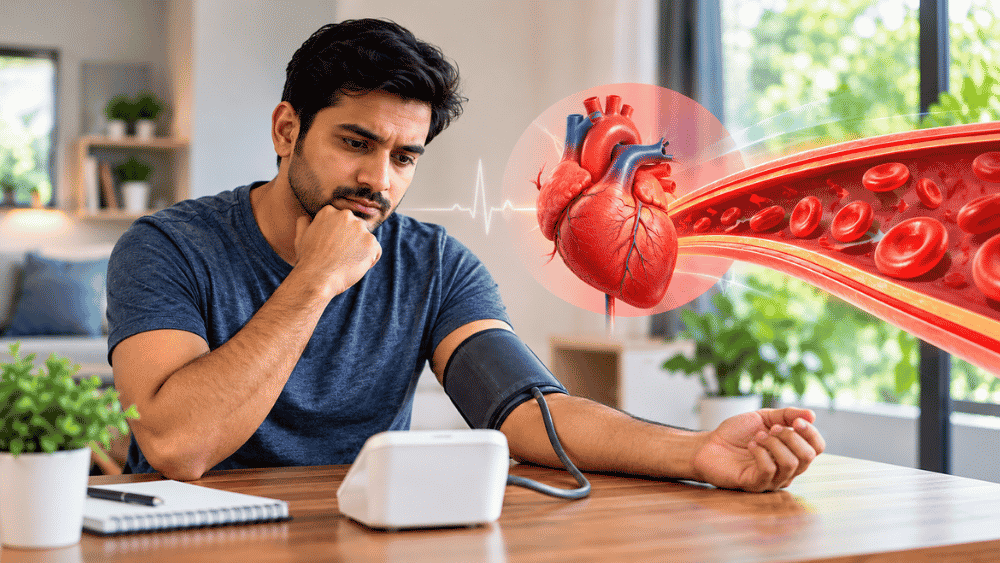
Many people are surprised when a routine health check shows that their blood pressure is higher than normal. They may feel completely healthy, have no headache or dizziness, and wonder, “If I feel fine, how can my blood pressure be high?”
The answer is that high blood pressure, or hypertension, often does not cause noticeable symptoms. A person can have elevated blood pressure for years without feeling unwell. That is why regular blood pressure checks are important, even when you feel healthy.
Blood pressure can also rise temporarily because of stress, physical activity, caffeine, smoking, poor sleep, or even the way the measurement is taken. However, if readings remain high repeatedly, it is important to have them evaluated rather than waiting for symptoms to appear.
What Does Blood Pressure Mean?
Blood pressure is the force of blood pushing against the walls of your arteries as the heart pumps blood around the body.
A blood pressure reading has two numbers:
- Systolic pressure: The upper number, showing the pressure when the heart contracts.
- Diastolic pressure: The lower number, showing the pressure when the heart relaxes between beats.
A blood pressure reading can change throughout the day depending on your activity, emotions, food and drink, sleep, and other factors. Therefore, one unusual reading does not always mean that you have hypertension.
If your blood pressure is repeatedly higher than the recommended range, a doctor can assess your readings and overall health to determine whether you have hypertension and whether treatment is needed.
Why Can Blood Pressure Be High Without Symptoms?
The most important reason is that high blood pressure often develops without obvious warning signs.
Unlike an infection or injury that may cause pain, fever, or swelling, hypertension can gradually put extra pressure on blood vessels without making you feel different. The body can sometimes adapt to the change, meaning you may continue with your normal routine even when your blood pressure is consistently elevated.
This is why hypertension is often described as a “silent” condition. The absence of symptoms does not necessarily mean that blood pressure is healthy.
Over time, uncontrolled hypertension can increase the risk of problems involving the heart, brain, kidneys, and blood vessels, including heart disease, stroke, and kidney disease.
Common Reasons Your Blood Pressure May Be High
There is no single reason why everyone’s blood pressure rises. Several factors can contribute.
1. Family History and Age
Genetics can influence your likelihood of developing high blood pressure. The risk also tends to increase with age.
If close family members have hypertension, it is particularly important to have your blood pressure checked regularly, even if you currently feel healthy.
2. Too Much Salt in the Diet
A diet high in sodium can contribute to increased blood pressure in many people. Salt can be found not only in the salt shaker but also in packaged foods, pickles, processed foods, snacks, sauces, and restaurant meals.
Reducing excess salt and including more fruits and vegetables in your diet can support better heart health.
3. Lack of Physical Activity
Regular physical activity supports cardiovascular health and can help with blood pressure management.
Long periods of sitting, limited exercise, and an inactive lifestyle can increase the risk of hypertension, particularly when combined with excess weight and an unhealthy diet.
Simple activities such as walking, cycling, swimming, or other forms of regular exercise can contribute to better overall cardiovascular health.
4. Being Overweight or Obese
Extra body weight can increase the likelihood of developing high blood pressure.
For people who are overweight, gradual and sustainable weight management can be an important part of reducing cardiovascular risk. A doctor or dietitian can help you choose an appropriate approach based on your health and lifestyle.
5. Stress and Poor Sleep
Stress can temporarily increase blood pressure. If stress is frequent or prolonged, it may also make it harder to maintain healthy habits.
Poor sleep can also affect overall cardiovascular health. If you regularly snore heavily, wake up feeling unrefreshed, or experience excessive daytime sleepiness, discuss these symptoms with a healthcare professional.
6. Smoking and Alcohol
Tobacco use can damage blood vessels and increase cardiovascular risk. Excessive alcohol consumption can also contribute to high blood pressure.
Avoiding tobacco and limiting alcohol are important steps for protecting your heart and blood vessels.
7. Diabetes or Kidney Problems
Certain health conditions can increase the risk of hypertension. Diabetes and kidney disease are among the conditions associated with increased blood pressure risk.
This is why your doctor may look beyond the blood pressure number itself and consider your overall health, medications, family history, and other risk factors.
Could Your Blood Pressure Reading Be Temporarily High?
Yes. Blood pressure is not fixed throughout the day.
Your reading may temporarily increase after:
- Exercise
- Caffeine
- Smoking
- Stress or anxiety
- Talking during the measurement
- Having a full bladder
- Sitting in the wrong position
- Using an incorrectly sized cuff
- Measuring immediately after physical activity
For a more reliable reading, sit quietly for a few minutes before measuring. Keep your back supported and your feet flat on the floor, and support your arm at heart level.
Avoid smoking, caffeine, and exercise shortly before taking your measurement.
This is one reason doctors generally do not diagnose hypertension based only on one unexpected reading.
How Can I Know If My Blood Pressure Is Really High?
If you receive a high reading, don’t panic. Sit quietly and repeat the measurement.
For home monitoring, use a reliable automatic upper-arm blood pressure monitor. Take two readings about one minute apart and record the results.
Keeping a record over several days can help your doctor understand your usual blood pressure rather than relying on one isolated reading.
If your readings continue to be high, arrange a medical evaluation.
If you want to assess your overall health along with your blood pressure, you can also explore the Health Check-Up services at Kshetrapal Hospital.
When Should You See a Doctor?
You should not wait for symptoms before discussing repeatedly high blood pressure with a healthcare professional.
A doctor may assess:
- Your blood pressure readings over time
- Family history
- Weight and lifestyle
- Diet and physical activity
- Diabetes risk
- Kidney health
- Cholesterol
- Current medications
- Tobacco and alcohol use
- Other cardiovascular risk factors
Depending on your situation, your doctor may recommend lifestyle changes, regular monitoring, medication, or additional tests.
If you are concerned about your blood pressure or have other heart-related concerns, you can consult the Department of Cardiology at Kshetrapal Hospital, Ajmer.
Can High Blood Pressure Be Controlled?
Yes. High blood pressure can often be managed through a combination of lifestyle changes and, when needed, medication.
Helpful lifestyle measures include:
- Eating a balanced diet with less excess salt
- Eating more fruits and vegetables
- Staying physically active
- Maintaining a healthy weight
- Avoiding tobacco
- Limiting alcohol
- Managing stress
- Getting adequate sleep
- Taking prescribed medicines regularly
Not everyone with hypertension will need the same treatment. Your doctor will consider your blood pressure level and other health risks before recommending a treatment plan.
Importantly, do not stop blood pressure medication simply because you feel well or because one home reading is normal. Treatment decisions should always be discussed with your healthcare professional.
What If My Blood Pressure Is Very High?
A very high blood pressure reading needs attention, particularly when it is accompanied by symptoms.
If your blood pressure is 180/120 mmHg or higher, wait at least one minute and measure it again. If it remains that high, contact a healthcare professional promptly.
If a very high reading occurs along with symptoms such as chest pain, shortness of breath, weakness, numbness, vision changes, severe headache, or difficulty speaking, seek emergency medical care immediately.
You can also learn more about serious cardiovascular conditions through our article on Heart Attack Symptoms: A Complete Guide to Recognition and Emergency Care.
For more information about another serious heart condition, read our guide on Congestive Heart Failure: Causes, Symptoms and Treatment.
Don’t Wait for Symptoms to Check Your Blood Pressure
The biggest misconception about hypertension is that you will know something is wrong because you will feel different. In reality, you can have high blood pressure and feel completely normal.
Regular monitoring is therefore important, particularly if you have a family history of hypertension, diabetes, kidney disease, excess weight, an inactive lifestyle, or other cardiovascular risk factors.
Knowing your blood pressure numbers gives you an opportunity to identify a problem early and discuss appropriate steps with a healthcare professional.
Managing hypertension can help reduce the risk of complications affecting the heart, brain, kidneys, and blood vessels.
If you are concerned about repeatedly high blood pressure or want to understand your cardiovascular risk, consult a qualified doctor for an appropriate evaluation rather than waiting for symptoms to appear.
Kshetrapal Hospital, Ajmer provides comprehensive medical and cardiac care for patients who need evaluation, diagnosis, and ongoing management of blood pressure and related health conditions.