

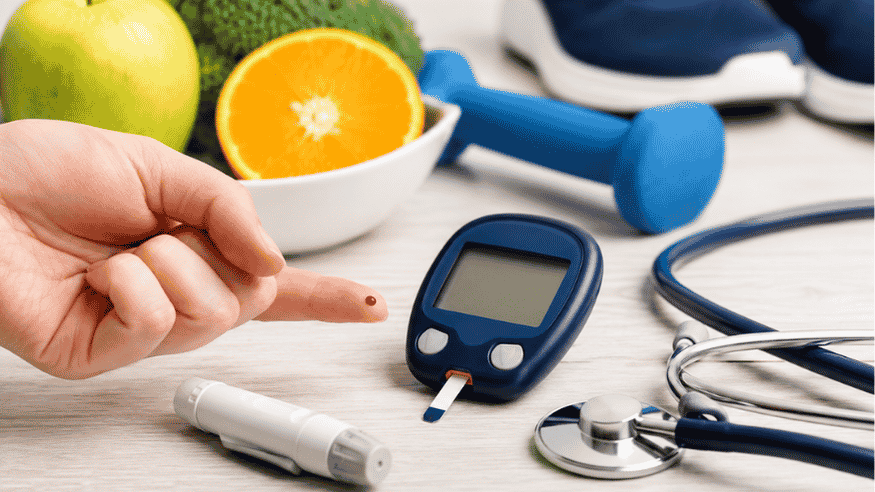
Diabetes is becoming one of the most common lifestyle-related health conditions affecting people of all age groups. Many individuals ignore the early symptoms of diabetes thinking they are temporary health issues caused by stress, diet, or tiredness. However, recognizing the early Signs of Diabetes can help prevent serious health complications and support better long-term health management.
When blood sugar levels remain uncontrolled for a long time, diabetes can affect important organs including the heart, kidneys, eyes, nerves, and brain. Early diagnosis and timely treatment play an important role in managing the condition effectively.
What Is Diabetes?
Diabetes is a medical condition in which the body either does not produce enough insulin or cannot properly use the insulin it produces. Insulin helps regulate blood sugar levels in the body.
When insulin does not function properly, sugar starts building up in the bloodstream, leading to high blood glucose levels. If left unmanaged, diabetes may increase the risk of serious complications over time.
The condition is commonly divided into:
- Type 1 Diabetes
- Type 2 Diabetes
- Gestational Diabetes
Among these, Type 2 diabetes is the most common and is often associated with lifestyle habits, obesity, family history, and lack of physical activity.
Frequent Urination
One of the most common Signs of Diabetes is frequent urination, especially during the night. When blood sugar levels become too high, the kidneys try to remove excess sugar from the body through urine.
Many people initially ignore this symptom, but repeated urination along with excessive thirst may indicate rising blood sugar levels.
Excessive Thirst
People with diabetes often feel thirsty more frequently because the body loses more fluids through urination. Even after drinking water regularly, dehydration and dry mouth may continue.
Persistent thirst should not be ignored when combined with fatigue, weakness, or increased hunger.
Increased Hunger
Another common symptom of diabetes is feeling hungry more often than usual. Since the body is unable to use glucose properly for energy, people may continue feeling hungry even after eating meals.
This symptom is commonly associated with uncontrolled blood sugar levels and poor insulin regulation.
Unexplained Weight Loss
Sudden weight loss without changes in diet or exercise may also indicate diabetes. When the body cannot use glucose for energy, it starts breaking down fat and muscle tissue instead.
Many people mistake this symptom as positive weight loss, but unexplained weight reduction should always be medically evaluated.
Constant Fatigue and Weakness
Fatigue is one of the most ignored symptoms of diabetes. High blood sugar levels can affect energy production and make people feel tired throughout the day.
People with diabetes may experience:
- Low energy
- Difficulty concentrating
- Weakness
- Irritability
- Reduced physical stamina
Persistent tiredness despite proper sleep and rest may require blood sugar evaluation and medical consultation.
Blurred Vision
High blood sugar levels can affect the eyes and cause temporary blurred vision. Over time, uncontrolled diabetes may also increase the risk of diabetic eye disease and vision complications.
Patients experiencing frequent vision changes should avoid delaying medical evaluation and regular eye check-ups.
Slow Healing of Wounds
Diabetes can affect blood circulation and the body’s healing process. Cuts, wounds, and infections may take longer to heal when blood sugar levels remain uncontrolled.
Frequent skin infections or slow healing wounds should never be ignored, especially in older adults and diabetic patients.
Tingling or Numbness in Hands and Feet
Long-term high blood sugar levels can damage nerves and lead to symptoms such as:
- Tingling sensation
- Burning sensation
- Numbness
- Pain in feet or hands
These symptoms are often associated with diabetic nerve damage and should be medically evaluated at an early stage.
Frequent Infections
People with uncontrolled diabetes may become more prone to infections because high blood sugar levels can weaken the immune system.
Common infections may include:
- Skin infections
- Urinary infections
- Gum problems
- Fungal infections
Repeated infections may sometimes indicate underlying diabetes or poor blood sugar control.
Who Is at Higher Risk of Diabetes?
The risk of diabetes may increase due to several factors including:
- Family history of diabetes
- Obesity
- High blood pressure
- Physical inactivity
- Poor diet habits
- Stress
- Smoking
- Age above 40 years
People with these risk factors should consider regular blood sugar monitoring and preventive healthcare support.
Importance of Early Diagnosis
Many people live with diabetes for years without proper diagnosis because symptoms develop gradually. Early diagnosis helps prevent complications and supports better blood sugar management.
Regular screening and preventive health check-ups can help detect diabetes early and reduce long-term health risks.
Patients experiencing symptoms of high blood sugar levels should consult experienced diabetes doctors for proper diagnosis and treatment planning.
Managing Diabetes Effectively
Diabetes management usually involves a combination of:
- Healthy diet
- Regular exercise
- Weight management
- Blood sugar monitoring
- Medications or insulin
- Lifestyle modifications
Patients may also require support from general medicine care and specialized healthcare departments depending on their condition and overall health.
With proper treatment and regular monitoring, many people with diabetes can lead healthy and active lives.
When Should You Consult a Doctor?
Medical consultation is important if you experience:
- Frequent urination
- Excessive thirst
- Sudden weight loss
- Blurred vision
- Constant fatigue
- Slow wound healing
- Tingling in feet or hands
Ignoring symptoms for a long time may increase the risk of complications affecting the heart, kidneys, nerves, and eyes.
Patients can consult experienced diabetes doctors through the Endocrinology Department for proper diagnosis, treatment planning, and long-term diabetes management.
Conclusion
Understanding the early Signs of Diabetes can help people seek timely medical attention and avoid serious health complications. Symptoms like excessive thirst, fatigue, blurred vision, frequent urination, and unexplained weight loss should never be ignored when they continue for a long time.
Early diagnosis, regular monitoring, healthy lifestyle habits, and proper medical care play a major role in controlling diabetes and improving quality of life. Awareness and preventive healthcare are essential for long-term health and better diabetes management.